What Happened
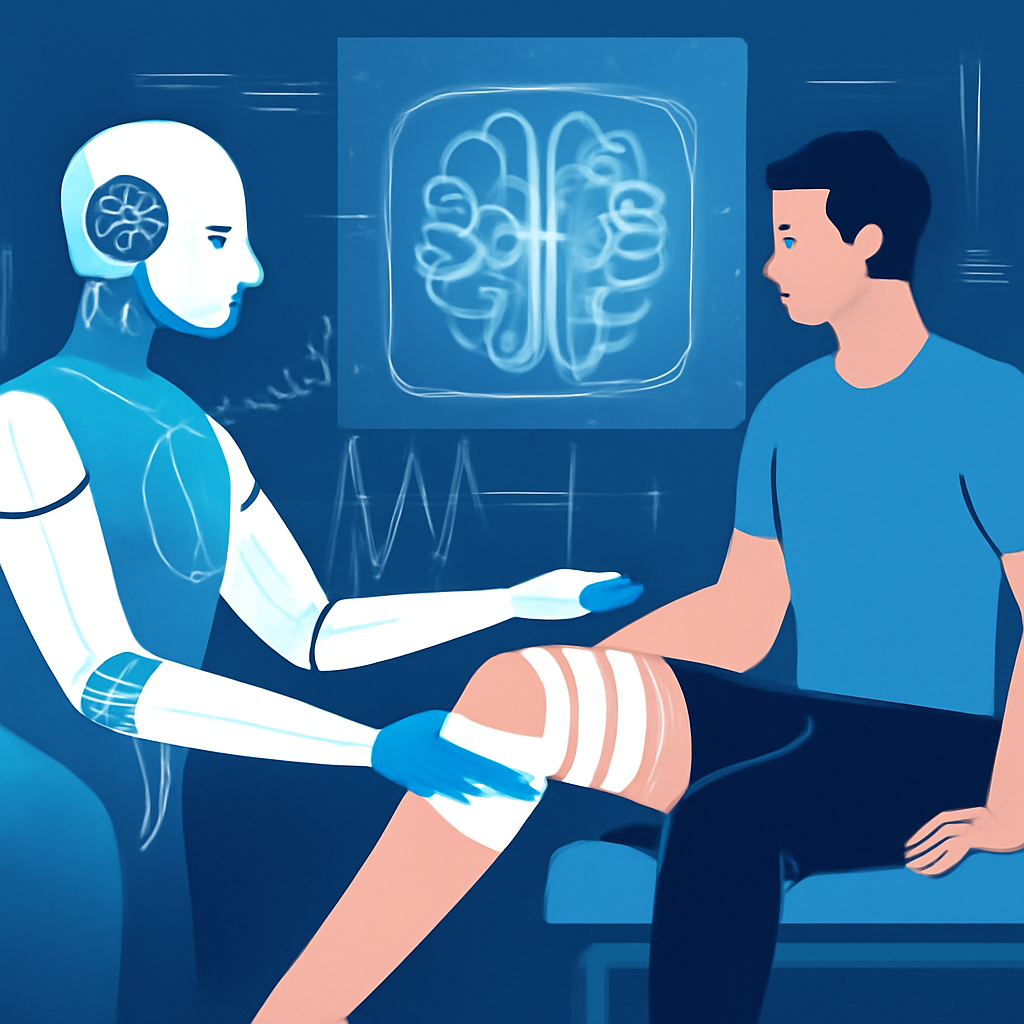
A growing conversation is taking place about the potential of AI to enhance injury recovery processes. Many individuals leave medical appointments with limited guidance on their rehabilitation, often filled with uncertainty about their progress. The idea is to explore whether AI can fill this gap by creating personalized rehabilitation plans and adjusting them based on patient progress.
Why It Matters
Integrating AI into rehabilitation could significantly improve the recovery experience for many patients. It offers a way to provide continuous support and answers to common questions that arise during recovery. This could enhance patient confidence, reduce anxiety about their recovery journey, and potentially lead to better outcomes. By acting as a bridge between appointments, AI could empower patients to take charge of their rehabilitation while ensuring that they stay on the right track.
Context
Traditionally, rehabilitation has relied heavily on the expertise of physical therapists who create customized plans based on their observations and patient feedback. However, with the rise of digital health technologies and AI, there’s a shift towards incorporating more automated solutions. This evolution aims to leverage data and adaptive learning to tailor recovery plans in real-time, responding to the unique needs of each individual.
What It Means
The introduction of AI in rehabilitation could mean a more structured and responsive approach to recovery. While AI cannot replace the nuanced understanding of a human therapist, it could serve as a valuable tool that enhances communication and support. Trust in such tools will largely depend on their ability to provide accurate, safe, and empathetic guidance. As AI continues to develop, its role in healthcare could expand, leading to innovative solutions that make recovery a smoother process for everyone involved.