What Happened
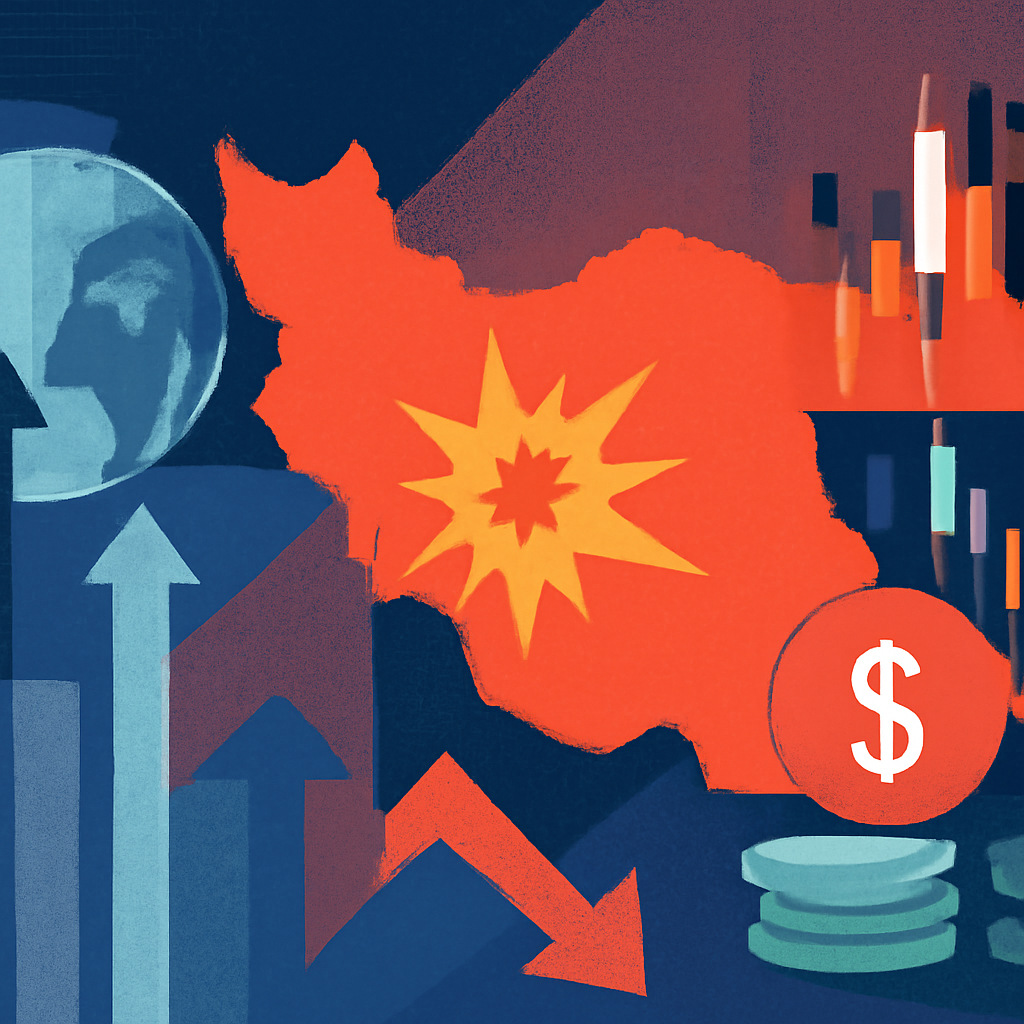
The ongoing conflict in Iran has raised concerns about its potential to disrupt global oil supplies. If the war continues for an extended period, analysts predict that oil prices could remain elevated, impacting various sectors of the economy and the stock market.
Why It Matters
High oil prices can lead to increased costs for businesses and consumers alike. This inflationary pressure could exacerbate existing economic vulnerabilities, especially given the current low job numbers and reliance on AI-driven growth in the stock market. Investors are concerned that sustained high oil prices could trigger a market correction or even a crash, as higher costs could reduce consumer spending and corporate earnings.
Context
Historically, geopolitical conflicts have often led to spikes in oil prices, impacting economies worldwide. The situation in Iran is particularly precarious, as its oil production is significant for global supply. Previous conflicts in the Middle East have shown that prolonged instability can lead to long-term economic repercussions, including inflation and reduced investor confidence.
What It Means
If the conflict drags on, it could create a perfect storm for the stock market. Investors may see the fragility of the economy as a tipping point, where continued high oil prices could lead to a significant market downturn. While the current AI hype has buoyed the S&P 500, this reliance on a single sector may not withstand the pressure of rising costs and economic instability. As the situation evolves, vigilance will be crucial for investors navigating these turbulent waters.