What happened
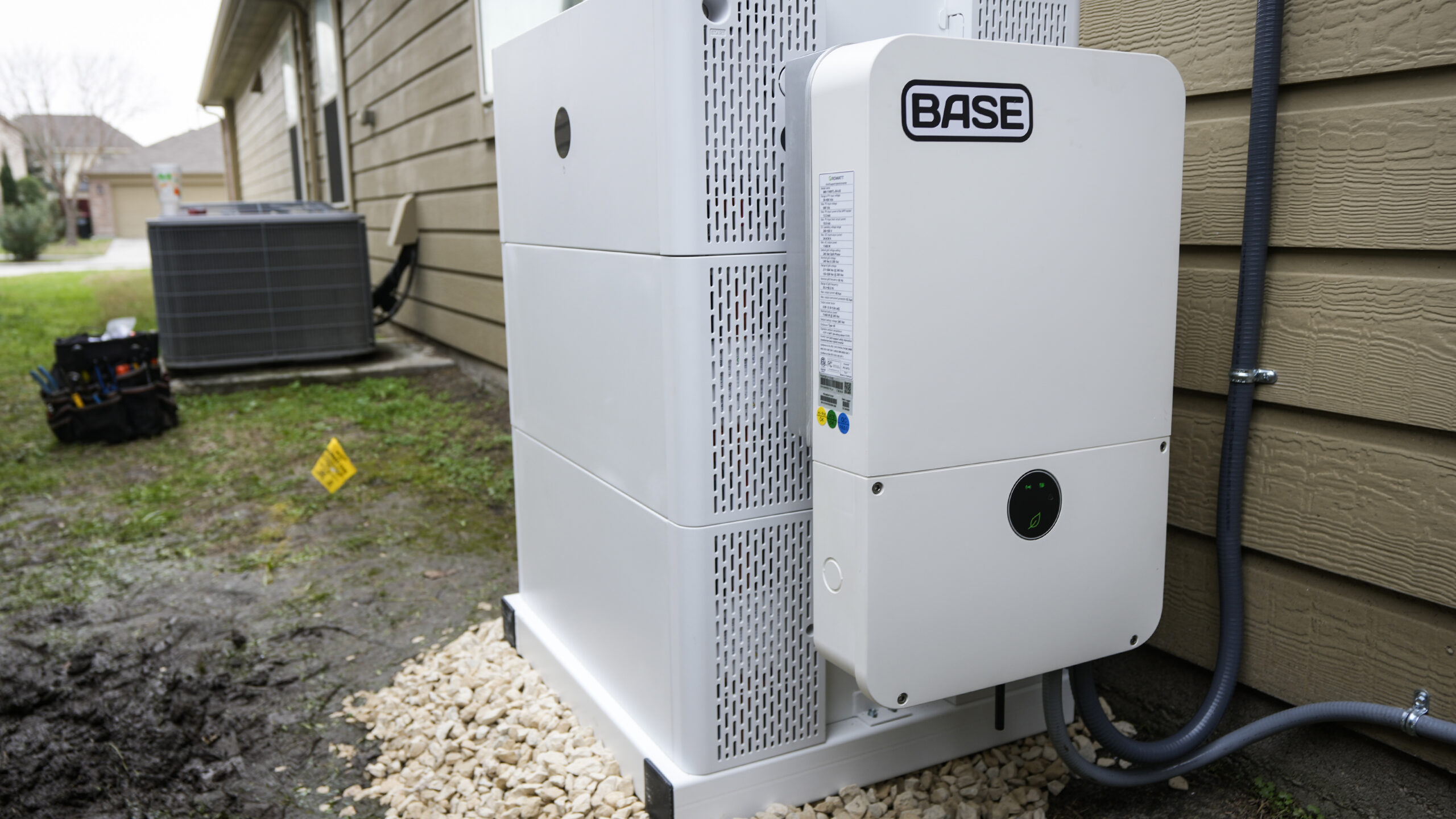
In early 2026, the United States witnessed a remarkable surge in home battery installations, setting a record of 673 megawatts of energy storage in just the first quarter. This increase is largely attributed to escalating residential electricity costs and various state incentives aimed at encouraging homeowners to adopt these systems.
Why this matters
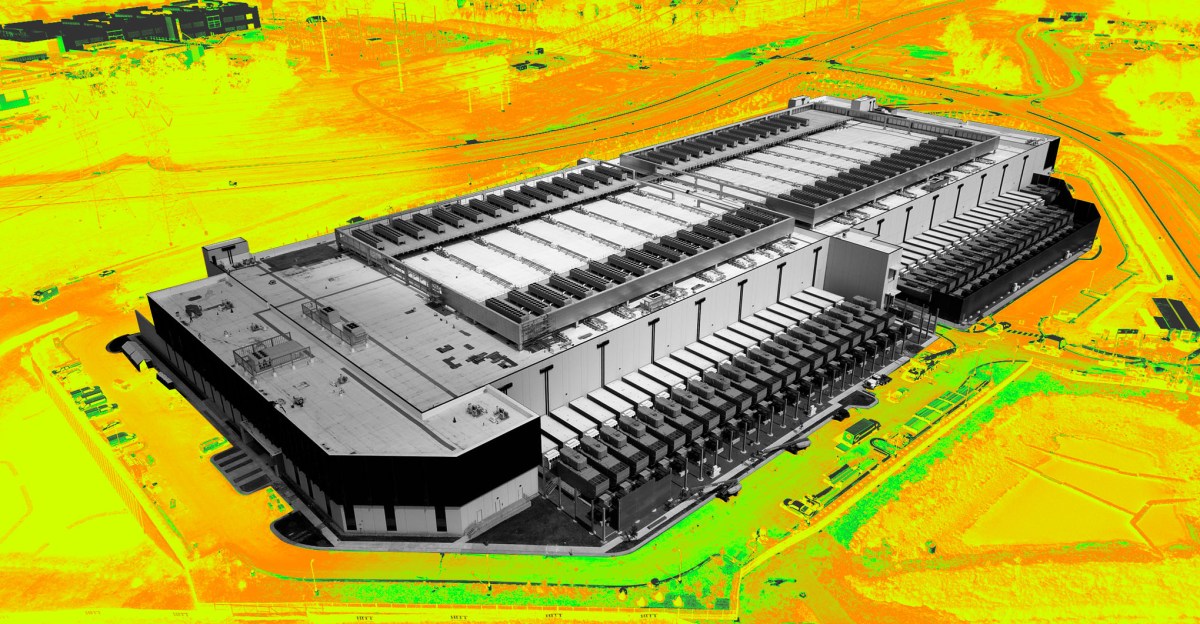
The rising popularity of home batteries is significant for multiple reasons. First, they provide homeowners with a way to manage their energy costs by storing electricity for use during peak hours when rates are highest. This trend not only helps individual consumers but may also contribute to a more resilient and adaptable energy grid. As more homeowners invest in battery systems, it could lead to a more flexible energy supply that benefits both power grid operators and emerging technologies like AI data centers.
Context
The increase in home battery installations follows a broader trend in renewable energy adoption, particularly rooftop solar. Home batteries allow homeowners to store excess solar energy generated during the day for use at night, maximizing the benefits of solar power. States like California and Hawaii have been at the forefront of both solar and battery adoption, but Texas and Arizona are also seeing significant growth in this area, reflecting a nationwide shift towards energy independence and sustainability.
What this means
The record-breaking installations signal a pivotal moment in the energy market. As homeowners increasingly turn to batteries, we can expect a shift in how energy is consumed and distributed. This trend not only empowers individuals to take control of their energy use but also positions the energy industry for a future where decentralized energy resources play a crucial role. The implications for energy costs, grid management, and environmental impact could be profound as this movement continues to gain momentum.