What Happened
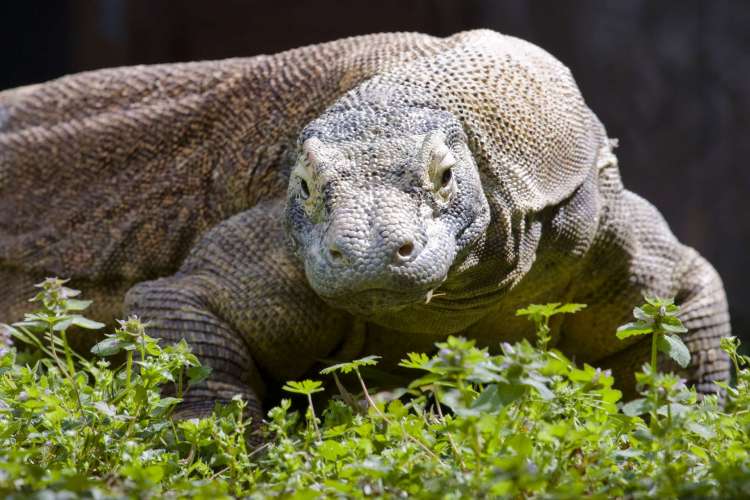
Recent research has shifted the narrative around the eating habits of Homo floresiensis, commonly known as Hobbits. Previously believed to be adept hunters of dwarf elephants on the island of Flores, new evidence suggests they were more likely scavengers, relying on the leftovers from Komodo dragons. This discovery comes from the work of anthropologist Elizabeth Veatch and her team, who analyzed cave sediment layers containing both hominin and pygmy elephant remains.
Why It Matters
This new perspective on the Hobbits’ diet could have significant implications for our understanding of their evolutionary role. If they were scavengers rather than hunters, it suggests a different survival strategy that may have influenced their development and adaptability. This also raises questions about the competitive dynamics between species on Flores and how they interacted with their environment.
Context
Homo floresiensis lived alongside various large animals, including Komodo dragons and pygmy elephants, until about 60,000 years ago. Traditionally, the narrative has highlighted their hunting prowess, which aligned with the idea of early hominins being skilled hunters. However, this new evidence challenges that notion and may prompt a reevaluation of similar assumptions made about other hominin species.
What It Means
The findings imply that Homo floresiensis may have occupied a different ecological niche than previously understood. If they scavenged rather than hunted, it suggests that their cognitive and physical adaptations were suited for a lifestyle that relied on opportunism rather than active predation. This could influence how researchers view the evolution of social behaviors and survival strategies among early human relatives, potentially altering the timeline of human migration out of Africa and into new territories.