Sут
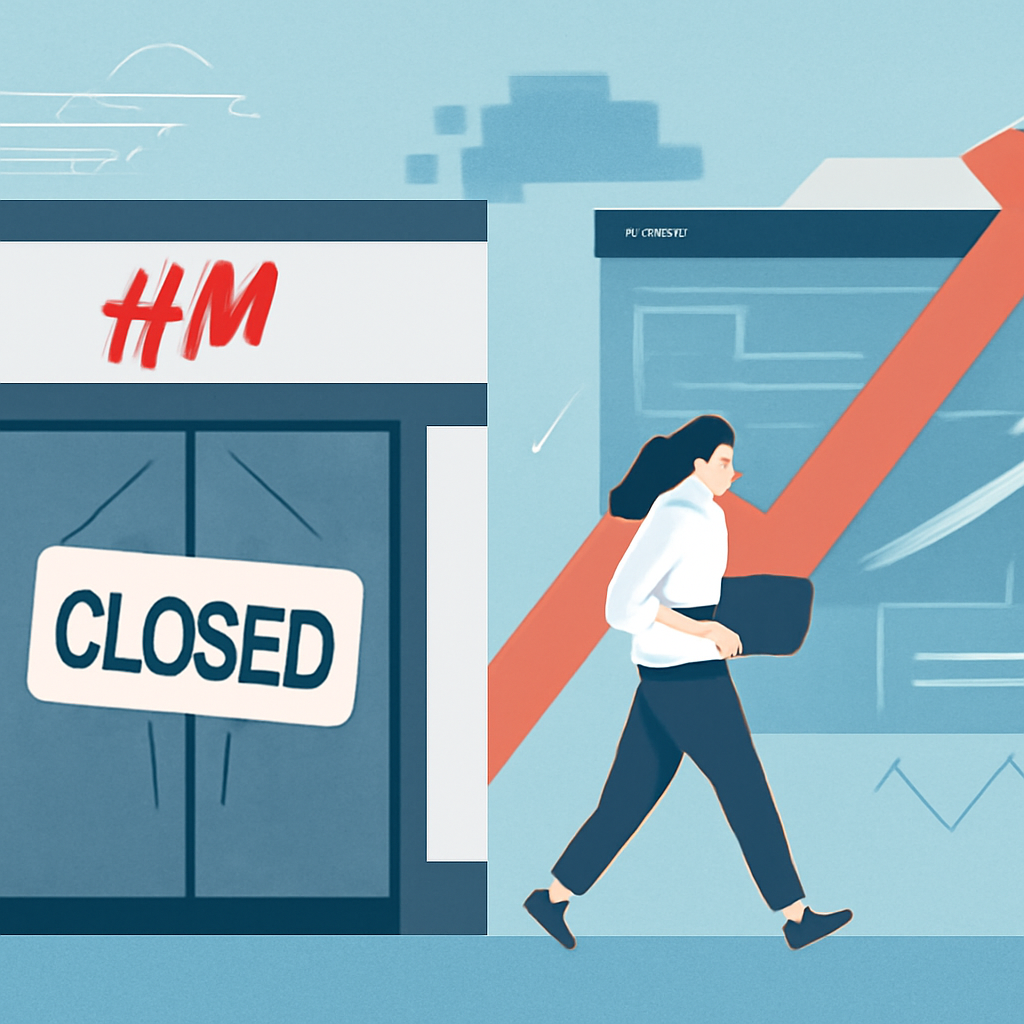
H&M, the renowned fast-fashion retailer, has embarked on a significant restructuring initiative, resulting in the closure of 128 retail locations across its global footprint. This strategic decision reflects the company's response to evolving consumer shopping behaviors, particularly the shift towards online shopping.
Как это работало
To optimize its retail presence, H&M analyzed performance metrics across its store locations. They identified underperforming stores, particularly in Asia, Oceania, and Africa, where they experienced a net loss of 97 locations. Instead of a simple reduction, H&M balanced closures with a planned opening of 90 new stores in 2026, but ultimately aimed for a net reduction of 80 stores. This dual approach allowed H&M to focus on high-potential markets while minimizing costs associated with long-term leases in less favorable locations.
Результат
As of May 31, 2026, H&M reported a decrease in total stores from 4,166 to 4,036. Despite having 3% fewer stores, their net sales remained consistent at approximately 54.8 billion SEK ($5.6 billion), indicating resilience in sales performance amid store closures. H&M's stock has fluctuated, currently trading at around 165 SEK, with a year-over-year increase of over 22%, despite a year-to-date decline of 11.2%.
Почему это важно для тебя
For businesses navigating similar challenges, H&M's approach illustrates the importance of adapting to market trends. Consider evaluating your own retail footprint by analyzing store performance data, and explore the potential of digital sales channels. Streamlining physical locations while bolstering online capabilities could be a crucial strategy for maintaining competitiveness in an evolving market landscape.