What Happened
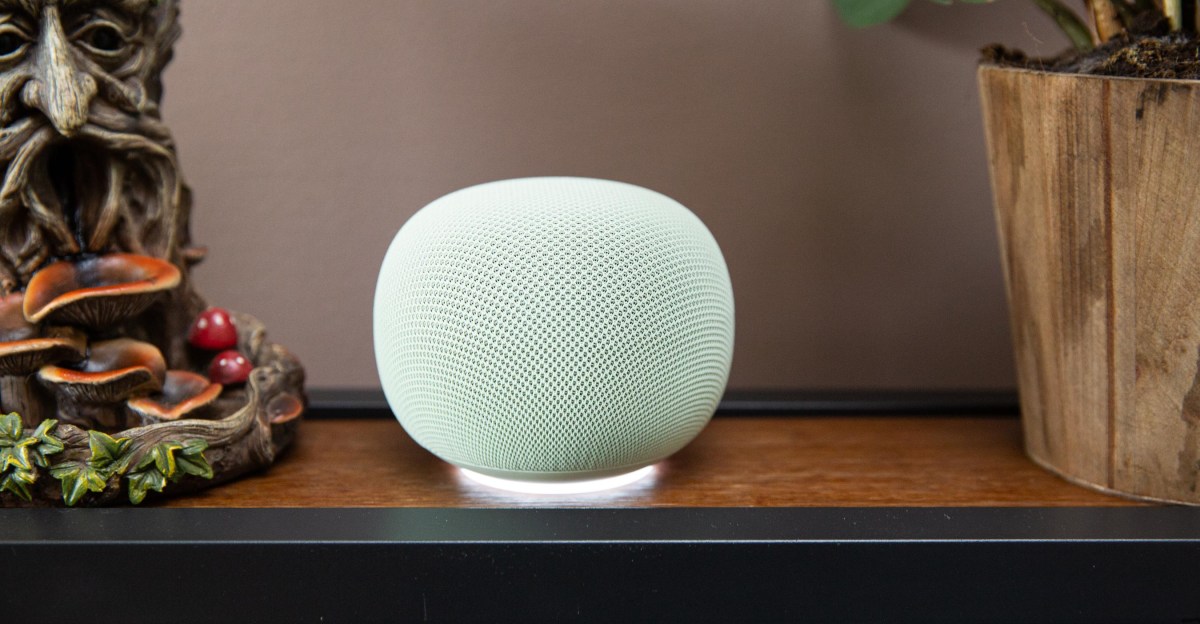
Google has introduced its latest smart speaker, the Google Home Speaker, marking the company's first new entry into this market in six years. This device is designed to integrate with Gemini, Google's new AI system. Despite its attractive design, there are concerns that Gemini isn't fully prepared to deliver the smart home capabilities users might expect.
Why It Matters
Smart speakers have been struggling to prove their worth beyond basic functions like playing music or setting timers. With the rise of AI, these devices have the potential to become much more useful, but they need robust systems to support advanced features. Google’s new speaker is a clear indication that the company is making a renewed commitment to the smart home market, but the current limitations of Gemini could hinder its success.
Context
Historically, smart speakers have had a mixed reception. While they started strong with features like voice assistance and home automation, many users have found them lacking in versatility and deeper functionality. Competitors like Amazon have made strides with updated versions of Alexa, pushing the boundaries of what users expect from smart speakers. Google's previous neglect of this space has left a gap that the company is now trying to fill.
What It Means
With the launch of the Google Home Speaker, Google is signaling its intent to reclaim a significant role in the smart home industry. However, if Gemini does not evolve quickly to support more innovative applications, the smart speaker may struggle to justify its place in consumers' homes. This situation presents both a challenge and an opportunity for Google: to enhance Gemini and make the new speaker a truly indispensable tool in everyday life.