What happened
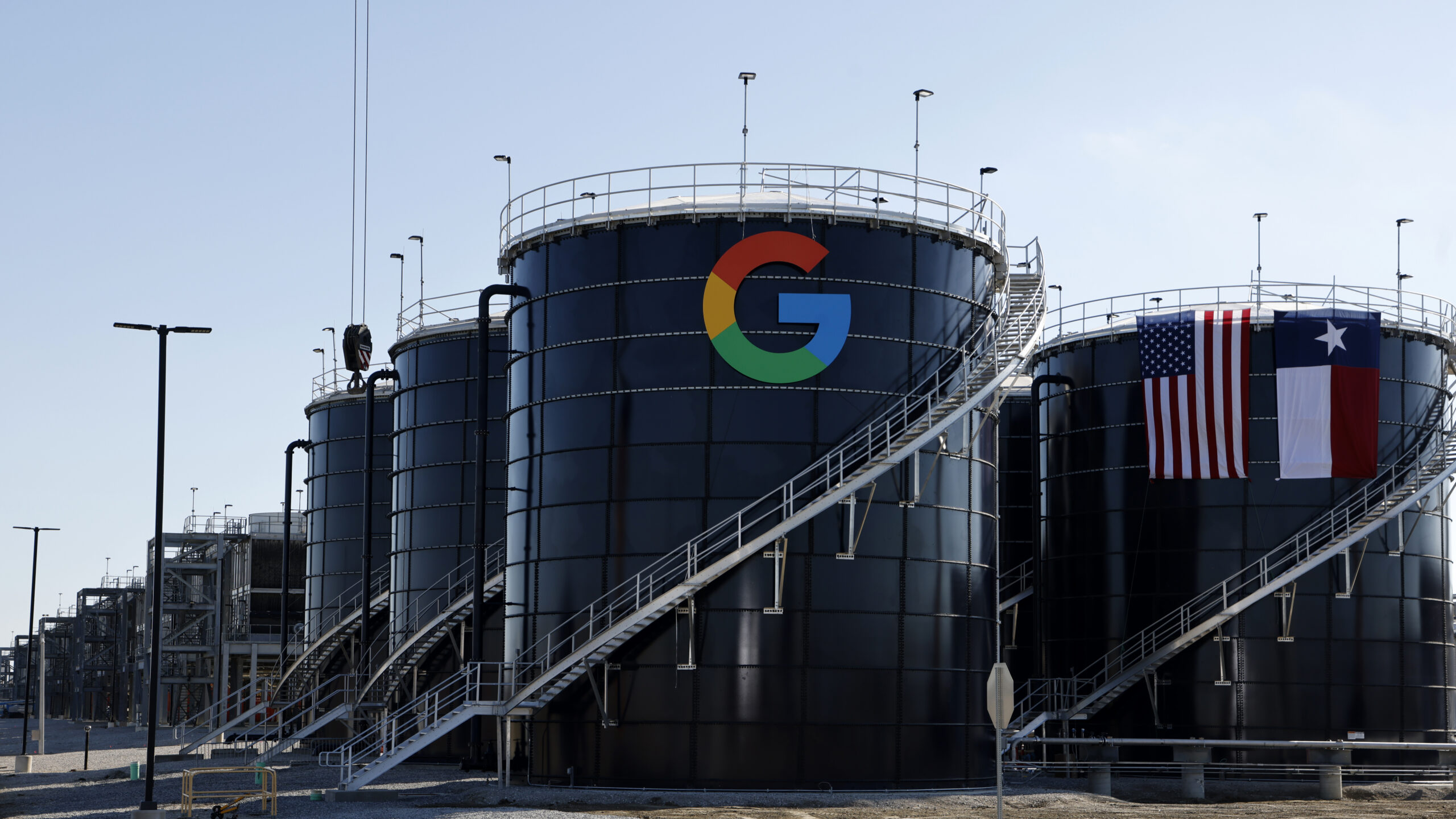
In 2025, Google experienced a remarkable 37% increase in its electricity consumption, marking the largest annual rise in its history. This surge is attributed primarily to the expansion of its AI infrastructure and the growing demands of Google Cloud and YouTube streaming services. The company has acknowledged that its total electricity usage has escalated by more than 250% since 2019, reflecting the rapid growth of its operations in the AI space.
Why this matters
This dramatic increase in electricity use highlights the significant energy demands of AI technologies and data centers. Despite the rise in electricity consumption, Google has managed to keep its operational carbon emissions in check by investing heavily in clean energy sources. This balancing act is crucial as the company aims to meet its sustainability objectives while supporting the ongoing growth of its AI and cloud services.
Context
Google's electricity consumption has been on a sharp upward trend, with a 27% increase noted in 2024 alone. This growth is part of a broader pattern seen across the tech industry, where advancements in AI and cloud computing are driving up energy needs. As companies invest in more powerful AI capabilities, the demand for data processing and storage continues to rise, putting pressure on energy resources.
What this means
The unprecedented increase in Google's electricity usage signals a critical moment for the tech industry as it grapples with the dual challenges of expanding AI capabilities and maintaining sustainability. While the company is committed to scaling clean energy solutions and reducing emissions, the rapid pace of AI infrastructure development may outstrip current efforts to decarbonize energy grids. This situation calls for innovative approaches to energy management and sustainability within the tech sector, as well as collaboration among industry players to address the growing energy demands of AI technologies.