What Happened
A shocking image of Senator Mitch McConnell appeared online, depicting him in a hospital bed, seemingly in distress. The image sparked conversations and concern, but it was soon revealed to be a deepfake created by artificial intelligence.
Why It Matters
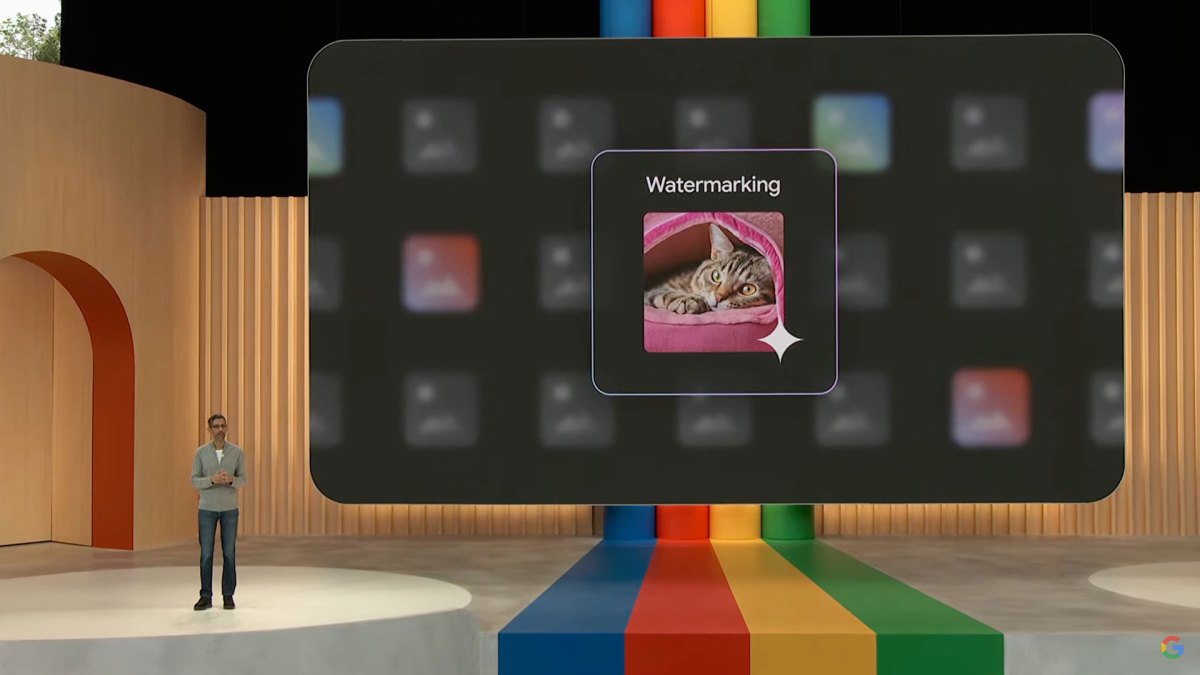
The rapid spread of deepfake technology poses significant risks to public trust and the integrity of information. With AI-generated content becoming increasingly realistic, distinguishing between real and fake media is crucial for both consumers and media outlets. Google’s deepfake detection system played a vital role in identifying this misleading image, showcasing the importance of advanced technology in combating misinformation.
Context
Deepfakes have emerged as a pressing issue in the digital age, where AI can generate images and videos that convincingly mimic real people. This technology has potential applications in entertainment and art but also raises ethical concerns, particularly in politics and journalism. The incident involving McConnell underscores the urgent need for effective detection tools as the prevalence of such fakes grows.
What It Means
The successful debunking of the McConnell deepfake emphasizes the necessity for ongoing innovation in detection technologies. As misinformation spreads more easily online, systems like Google’s can help safeguard the public from deception. This situation serves as a wake-up call for both individuals and organizations to remain vigilant and informed about the potential dangers of AI-generated content. The battle against misinformation is far from over, and tools like these are essential in ensuring that truth prevails in the digital landscape.