What happened
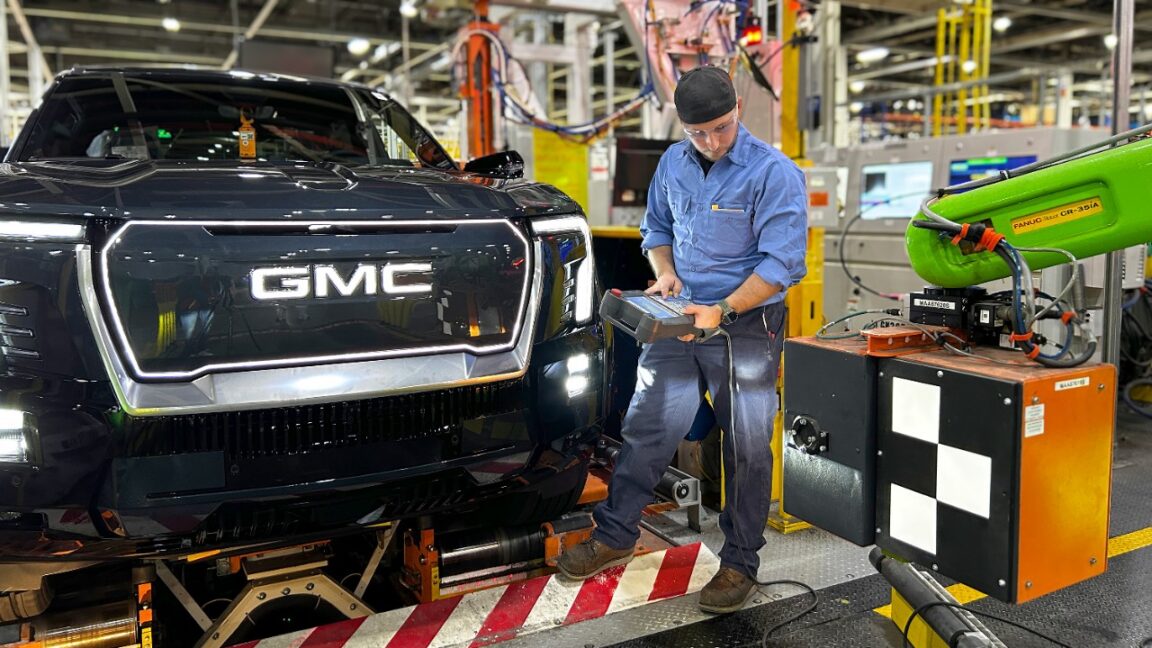
General Motors has recently integrated around 50 robotic arms at its Factory Zero in Detroit, aimed at enhancing the assembly of electric vehicles. This decision comes amidst the backdrop of 1,300 workers still laid off since March, raising concerns about job security in the wake of increased automation.
Why this matters
The introduction of these robots signifies a shift towards greater automation in the automotive industry, which could streamline production but also lead to significant job losses. The United Auto Workers (UAW) union has voiced strong opposition to this move, arguing that the company should prioritize bringing laid-off workers back instead of investing in robots. This situation highlights a critical tension between technological advancement and labor rights.
Context
The automotive industry has been steadily moving towards automation for years, driven by the need for efficiency and cost-cutting. GM's decision to install robots at a time when many workers are still on indefinite layoff reflects a broader trend where companies are opting for technology over human labor, especially in light of recent economic pressures.
What this means
The ongoing layoffs coupled with the addition of robots could reshape the landscape of employment within the automotive sector. If GM continues to rely on automation, it may set a precedent for other manufacturers, potentially leading to widespread job reductions. The UAW's response indicates a growing concern among workers about their future, suggesting that the conversation around automation and job security will only intensify in the coming months.