What Happened
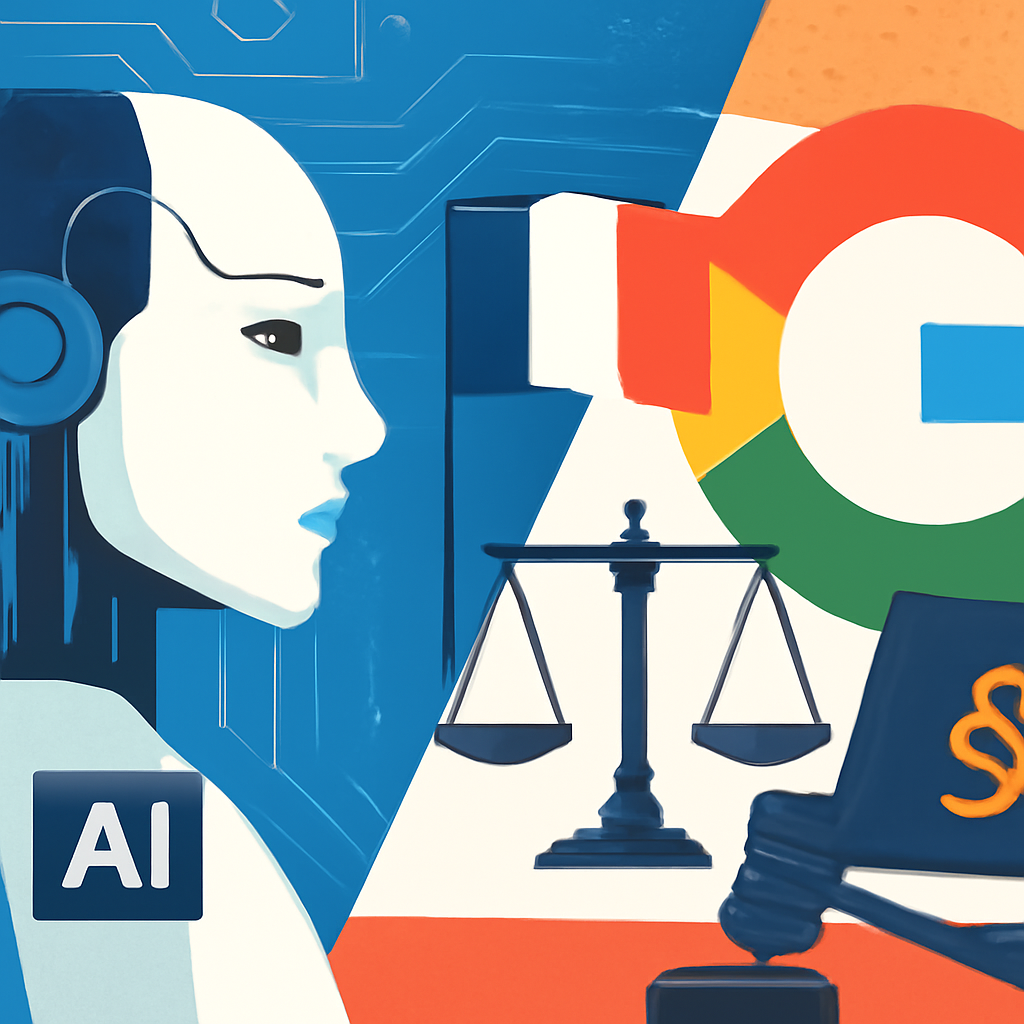
A group of prominent book publishers, including Hachette Book Group, Cengage Learning, and Elsevier, has filed a lawsuit against Google. They accuse the company of utilizing millions of copyrighted books to train its AI models, Gemini, without obtaining the necessary permissions. The lawsuit was filed in the U.S. District Court for the Southern District of New York.
Why This Matters
This lawsuit could have serious implications for the artificial intelligence industry and its relationship with copyright law. If the court finds Google's actions to be unlawful, it could be a game changer for all companies developing AI. They would need to find new ways to train their models, potentially incurring additional costs and slowing down technological innovation.
Context
The issue of copyright in the digital age is becoming increasingly complex. In recent years, disputes have arisen over how to use protected content for AI training. Many tech companies have previously utilized vast amounts of data, including book texts, without securing permission from authors or publishers. The lawsuit from the publishers raises an important question about how to balance innovation with the protection of authors' rights.
What It Means
If the court sides with the publishers, it could set a precedent that puts other companies using similar methods at risk. This could spur the development of new standards and practices in the use of content for AI training. Users and developers would need to adapt to new conditions, which may slow the pace of AI development and increase its costs.