What happened
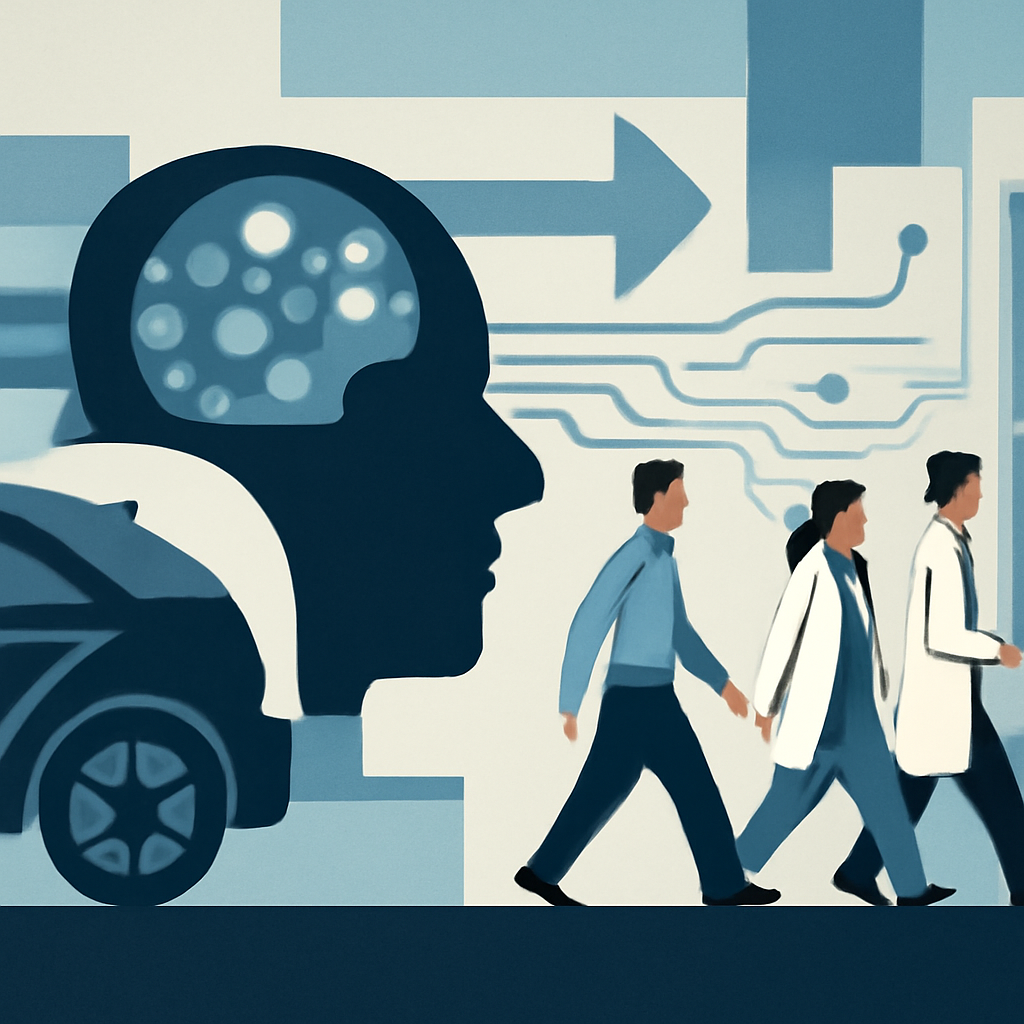
Ford has recently decided to rehire 350 engineers after facing challenges with its AI systems. These systems were intended to capture and preserve the knowledge of seasoned engineers while also training new employees. However, they fell short of expectations, leading the company to bring back experienced staff to fill the gaps.
Why this matters
This move highlights a significant issue in the automotive and tech industries regarding the reliance on AI for knowledge retention and training. When AI fails to effectively transfer expertise, companies may find themselves lacking critical skills, which can affect product quality and innovation. Ford's decision to reinstate engineers underscores the value of human expertise that technology alone cannot replicate.
Context
Historically, many companies have turned to AI to streamline processes and reduce costs. However, Ford's experience serves as a cautionary tale, revealing that while AI can assist in many areas, it cannot fully substitute for human insight and experience. The company's initial belief that AI could effectively manage knowledge transfer has proven overly optimistic.
What this means
Ford’s actions indicate a growing recognition of the limitations of AI in complex fields like engineering. The re-hiring of engineers suggests that companies must find a balance between automation and human expertise. As organizations increasingly adopt AI, the lessons learned from Ford's situation could prompt a reevaluation of how technology is integrated into workforce development and training. The future of automation in industries may depend on leveraging AI to complement, rather than replace, human skills.