What Happened
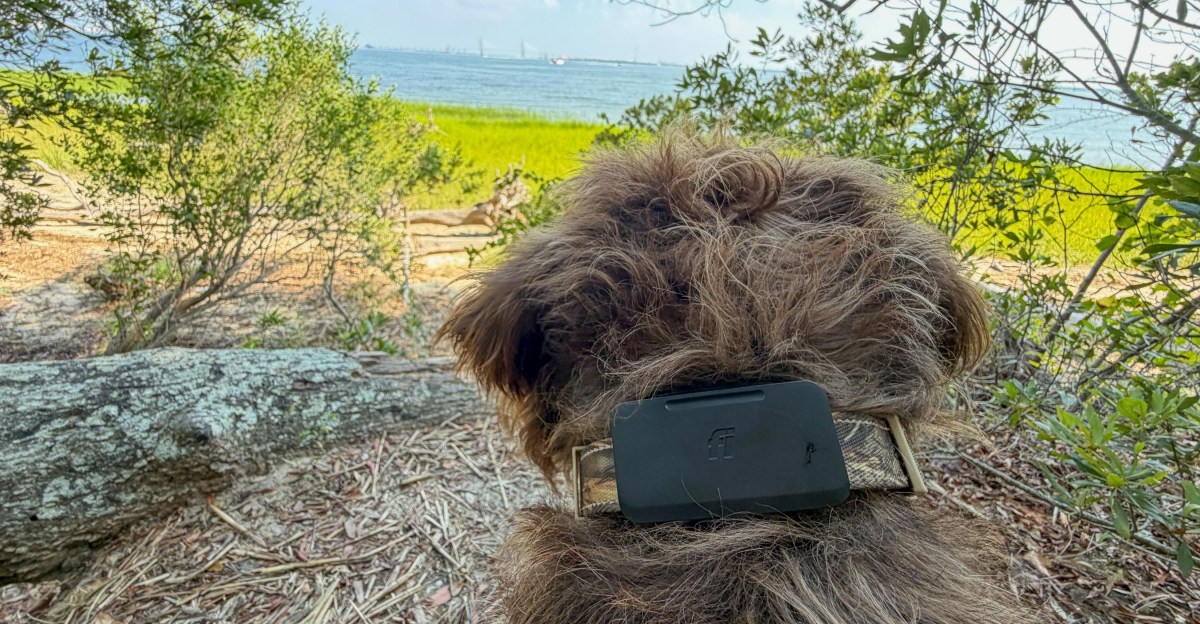
The Fi Ultra has made its debut as the first pet tracker that integrates with Starlink's satellite technology, allowing pet owners to monitor their animals in areas where traditional cellular signals might fail. This device combines GPS and LTE capabilities with a unique feature: an automatic switch to T-Mobile's T-Satellite service when the usual cellular connection is lost. This innovation targets pet owners who want peace of mind while their pets explore the great outdoors.
Why It Matters
The introduction of the Fi Ultra could significantly alter the pet tracking market. By leveraging SpaceX's Starlink satellite network, the tracker ensures that pets can be located even in remote areas of the U.S., where conventional tracking devices may struggle. However, early tests reveal some downsides, such as disappointing battery life, which could deter potential buyers who prioritize long-lasting performance for their adventurous pets.
Context
Pet trackers have evolved from simple GPS devices to sophisticated tools that rely on multiple networks for reliability. The Fi Ultra takes this a step further by integrating satellite technology, marking a significant leap in tracking capabilities. Historically, pet trackers have faced limitations in rural or isolated areas, where cellular signals are weak or nonexistent. The Fi Ultra's use of Starlink aims to fill this gap, making it especially appealing for pet owners who enjoy outdoor activities in less populated regions.
What It Means
The Fi Ultra represents a promising advancement in pet tracking technology, particularly for those who venture off the beaten path. Despite its innovative features, the compromise on battery life raises questions about its practicality for everyday use. As pet owners weigh the benefits of satellite connectivity against the device's shortcomings, the Fi Ultra could either set a new standard in the industry or serve as a cautionary tale about the balance between innovation and functionality.