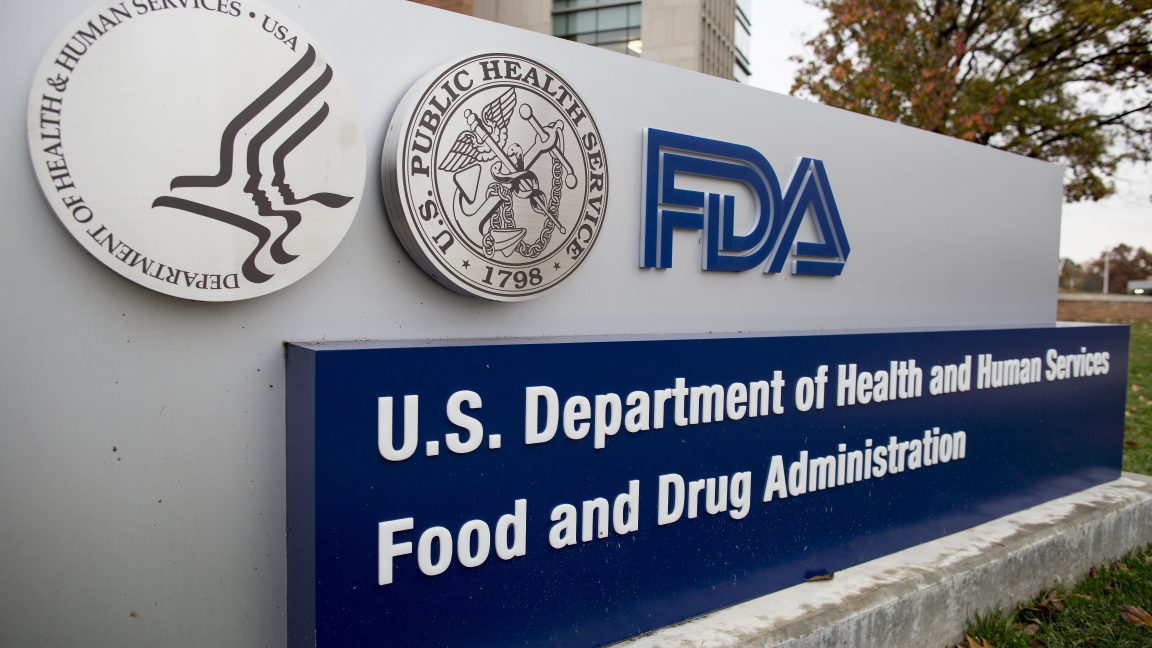
The Food and Drug Administration (FDA) has taken a surprising turn regarding the approval of a gene therapy aimed at treating Huntington's disease. This shift comes in the wake of the removal of several Trump-era officials, including Vinay Prasad, who previously rejected the therapy in a move that was described by a former FDA official as "truly evil."
Huntington's disease is a hereditary condition that typically manifests in middle age, leading to the gradual degeneration of brain nerve cells. Currently, there are no effective treatments available, resulting in many patients facing a life expectancy that often ends in their 50s or 60s. The gene therapy, known as AMT-130, developed by UniQure, is designed to reduce the levels of the harmful huntingtin protein in the brain. Early trial results indicated that this one-time treatment could potentially reduce the disease's progression by as much as 75%. The ongoing development of AMT-130 has generated significant hope among patients and advocates alike, as they closely monitor its progress toward approval.