What Happened
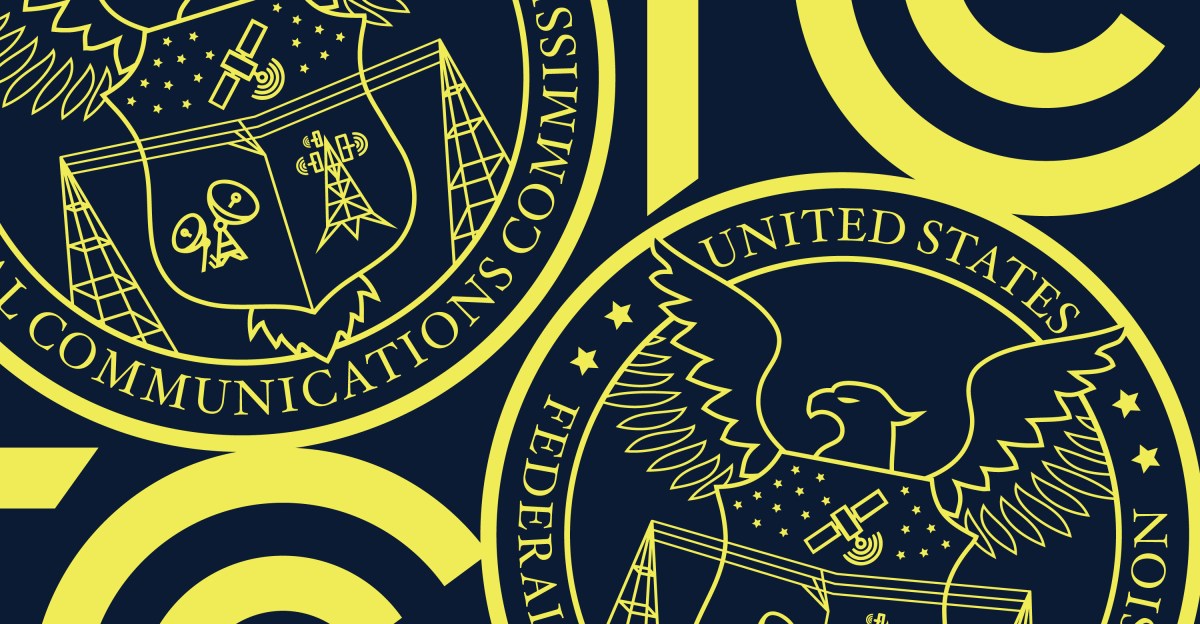
The Federal Communications Commission (FCC) is gearing up for a critical vote on August 6th that could reshape the U.S. broadcasting landscape. The vote will focus on whether to eliminate the current ownership cap, which restricts any single company from owning broadcast stations that reach more than 39% of American TV households. This decision stems from a push by FCC Chair Brendan Carr, who believes the rise of digital media makes such regulations outdated.
Why It Matters
If the ownership cap is lifted, it could lead to significant consolidation in the media industry. Major broadcasting companies could potentially acquire more stations, leading to fewer voices in the market. This shift raises concerns over local representation, as larger companies may prioritize national programming over community-focused content. The implications for diversity in media and the information available to the public could be profound, as fewer entities would control the airwaves.
Context
The ownership cap was established to maintain a diverse media landscape and ensure that various viewpoints can be represented in broadcasting. Historically, the FCC has aimed to prevent monopolistic practices that could arise from allowing a single entity to dominate the market. However, with the advent of social media and streaming services, some argue that traditional broadcasting rules no longer apply, as these platforms can reach vast audiences without utilizing the public airwaves.
What It Means
The potential removal of the ownership cap could signal a shift towards a more consolidated media environment. This change might benefit large corporations looking to expand their reach but could diminish local broadcasting's role in providing tailored content to specific communities. As the media landscape evolves, it remains to be seen how this decision will affect the balance between corporate interests and the public's need for diverse and local media representation.