What Happened
The Federal Communications Commission (FCC) is preparing to vote on a significant change to the National Television Ownership Rule. This rule currently limits any single broadcast station owner from reaching more than 39% of U.S. TV households. The proposed repeal could lead to a situation where larger media companies have even more control over the airwaves, potentially impacting the diversity of news coverage.
Why It Matters
If the FCC successfully repeals this cap, it will likely lead to increased media consolidation. This change could benefit certain media organizations, especially those that align with the political interests of the current administration. A more concentrated media landscape raises concerns about the variety of viewpoints available to the public and the potential for biased reporting.
Context
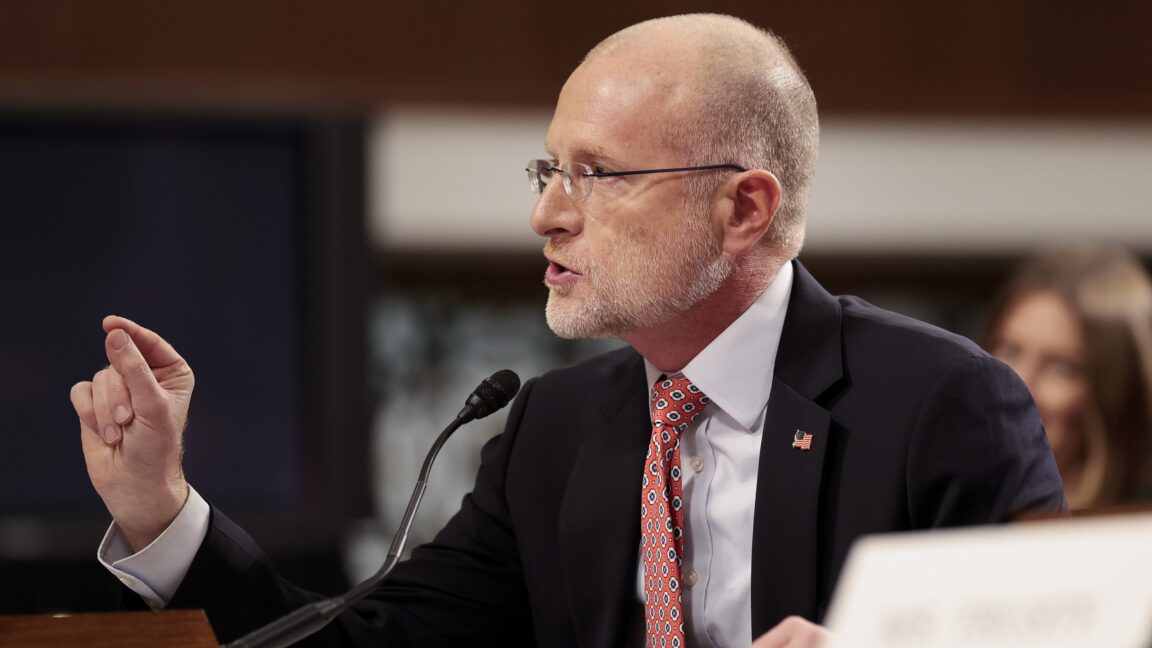
Historically, the 39% limit was established to prevent monopolistic practices in media ownership, ensuring a diverse range of voices in television news. However, under FCC Chairman Brendan Carr, the agency has shown a willingness to reinterpret these rules. Earlier this year, for instance, Carr approved a merger that allowed Nexstar Media Group to acquire Tegna, enabling them to reach over half of U.S. TV households. This indicates a shift towards more lenient regulatory practices.
What It Means
By replacing the ownership cap with a case-by-case review for mergers, the FCC would gain more discretion in determining which media companies can expand their reach. This could lead to a scenario where news outlets that provide favorable coverage to certain political figures, including President Trump, may receive preferential treatment. As the FCC moves forward with this plan, industry watchers will be closely monitoring the potential legal battles that could arise, especially regarding the authority of the FCC versus congressional mandates.