What happened
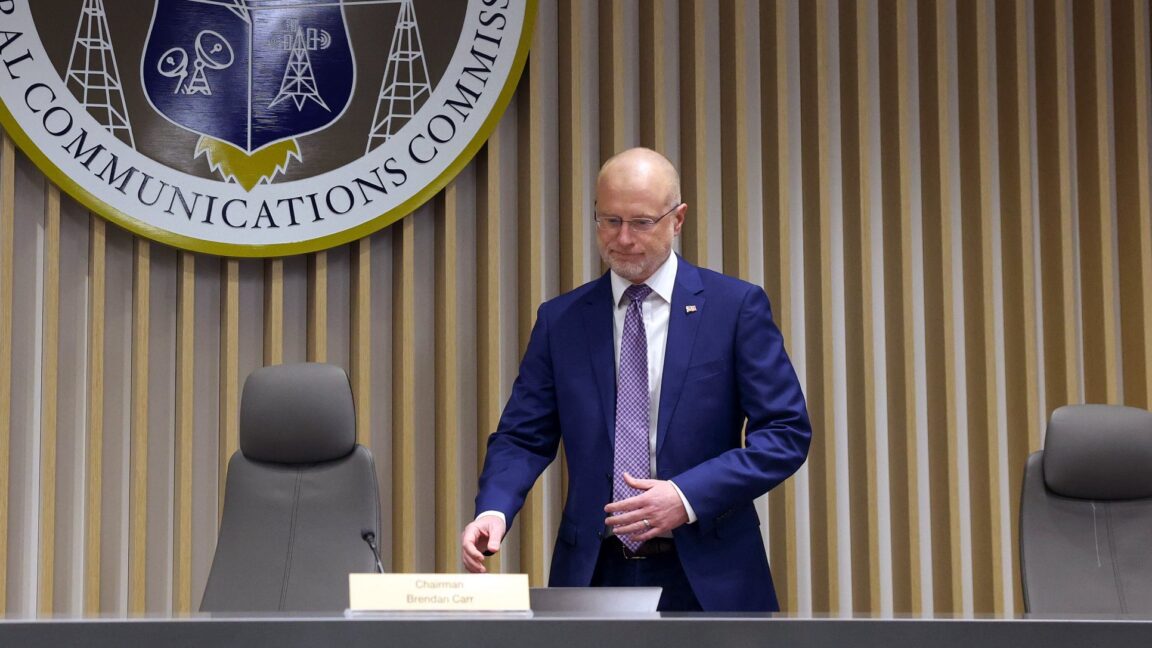
An advocacy group is taking the Federal Communications Commission (FCC) to court, accusing it of not being transparent about its records regarding Chairman Brendan Carr's communications. The group, Frequency Forward, claims that the FCC has not complied with a Freedom of Information Act (FOIA) request, specifically about Carr's use of the Signal messaging app, which he allegedly uses for government business.
Why this matters
If the accusations are true, this could undermine public trust in the FCC at a time when transparency is more crucial than ever. The FCC's actions—or lack thereof—may set a precedent for how government agencies handle public records requests, particularly concerning influential digital currencies like DOGE and high-profile figures like Elon Musk.
Context
Frequency Forward filed the lawsuit last year, claiming that the FCC had violated FOIA by withholding documents. In August 2025, a federal judge criticized the FCC for its vague responses and ordered it to produce the requested documents. This ongoing legal battle raises questions about accountability and the ethical responsibilities of government officials in the digital age.
What this means
The situation highlights a potential clash between government transparency and the private communications of officials. If the FCC is found to have acted in bad faith, it may face consequences that could include stricter oversight and a push for clearer regulations regarding how public officials communicate on private platforms. This case may also spark wider discussions about the influence of cryptocurrencies on regulatory bodies and the need for open dialogue between the government and the public.