What Happened
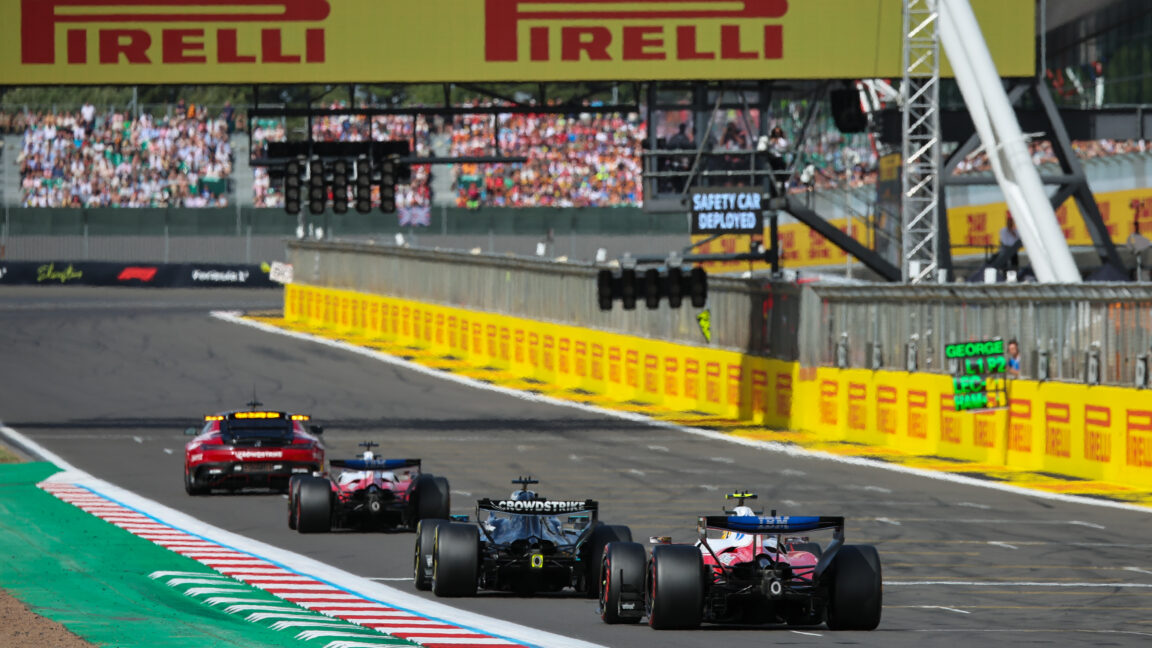
This past weekend, the British Grand Prix showcased the thrilling yet unpredictable nature of Formula 1. While the fastest car on the grid usually dominates races, this time reliability issues changed the outcome. As the race neared its conclusion, an automated message indicated a late-race restart after a safety car deployment, but it turned out to be a mistake. Instead of an exciting finish, the race concluded with disappointment for many fans.
Why It Matters
The confusion surrounding the on-screen message highlights the risks of relying too heavily on automated software in high-stakes environments like Formula 1. Fans and teams invest emotionally in the races, and errors can lead to significant dissatisfaction. This incident not only affected the drivers but also impacted the overall experience for viewers, raising questions about the reliability of technology in sports.
Context
Silverstone, the venue for the British Grand Prix, has a rich history, having served as a World War II airbase. This unique background contributes to the track's layout, which is known for its speed and challenging corners. The recent changes to the circuit in 2010 have only added to its excitement, with high-speed turns that showcase the agility of F1 cars. Additionally, the energy management of hybrid power units has been a topic of concern, especially during qualifying sessions.
What It Means
The British Grand Prix serves as a reminder that while technology enhances our experience, it can also lead to misunderstandings and missed opportunities. As teams and drivers continue to adapt to the evolving landscape of Formula 1, ensuring that communication systems are reliable becomes crucial. This race not only affected standings but also left fans eager for better clarity and excitement in future events.