What happened
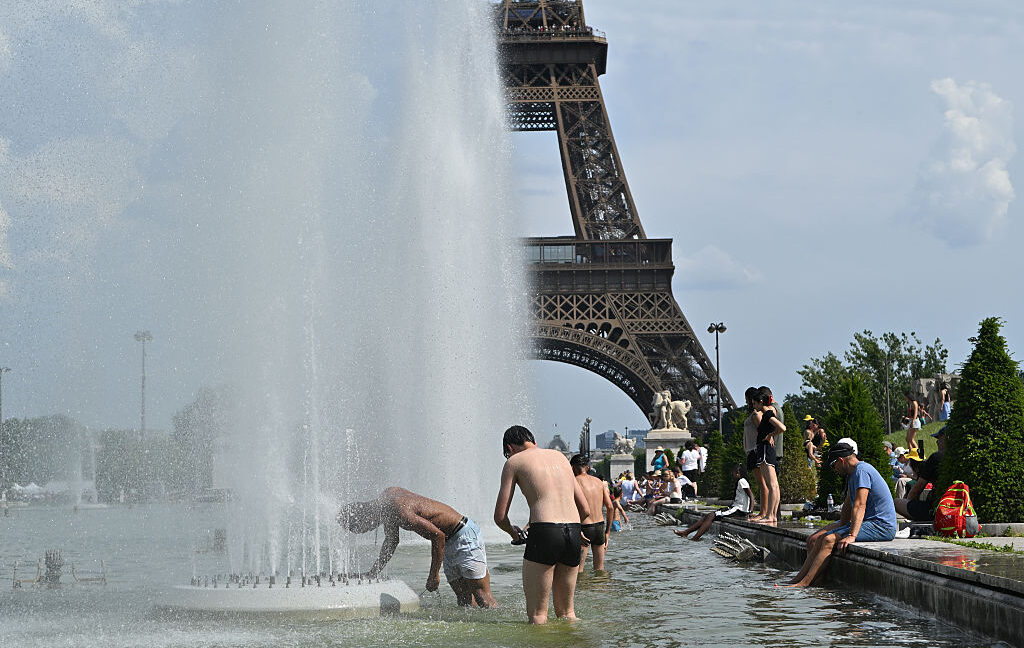
Europe is currently grappling with its second major heat wave of the year, setting alarming records. France recently experienced its hottest day ever, with temperatures soaring past 44 degrees Celsius in some areas. The extreme heat has led to tragic consequences, including around 40 drownings as people sought relief in local waters. In the UK, many regions have seen temperatures reach 36 degrees, prompting school closures and train delays, while thousands are left without power.
Why this matters
The implications of this heat wave extend beyond discomfort; they pose significant risks to public health and safety. The extreme temperatures have forced governments to issue heat alerts, highlighting the potential for heat-related illnesses and deaths. The situation is exacerbated by infrastructure that isn’t equipped to handle such heat, especially in residential areas where air conditioning is scarce. As the United Nations Secretary-General Antonio Guterres noted, the conditions in cities like London are dire, impacting the quality of life for residents.
Context
This heat wave is not an isolated incident but rather a part of a growing trend linked to climate change. With increasing frequency, Europe has been experiencing extreme weather events, including heat waves, which have become more intense due to rising global temperatures. This ongoing pattern raises questions about urban planning, energy resources, and public health strategies as communities face the reality of a warming climate.
What this means
The current situation underscores the urgent need for improved heat resilience strategies across Europe. As organizations and governments assess the impact of this heat wave, it’s clear that action is necessary to protect vulnerable populations. The event serves as a wake-up call, reminding us that climate adaptation measures must be prioritized to mitigate the effects of future heat waves and ensure that communities are better prepared for extreme weather events.