The Gist
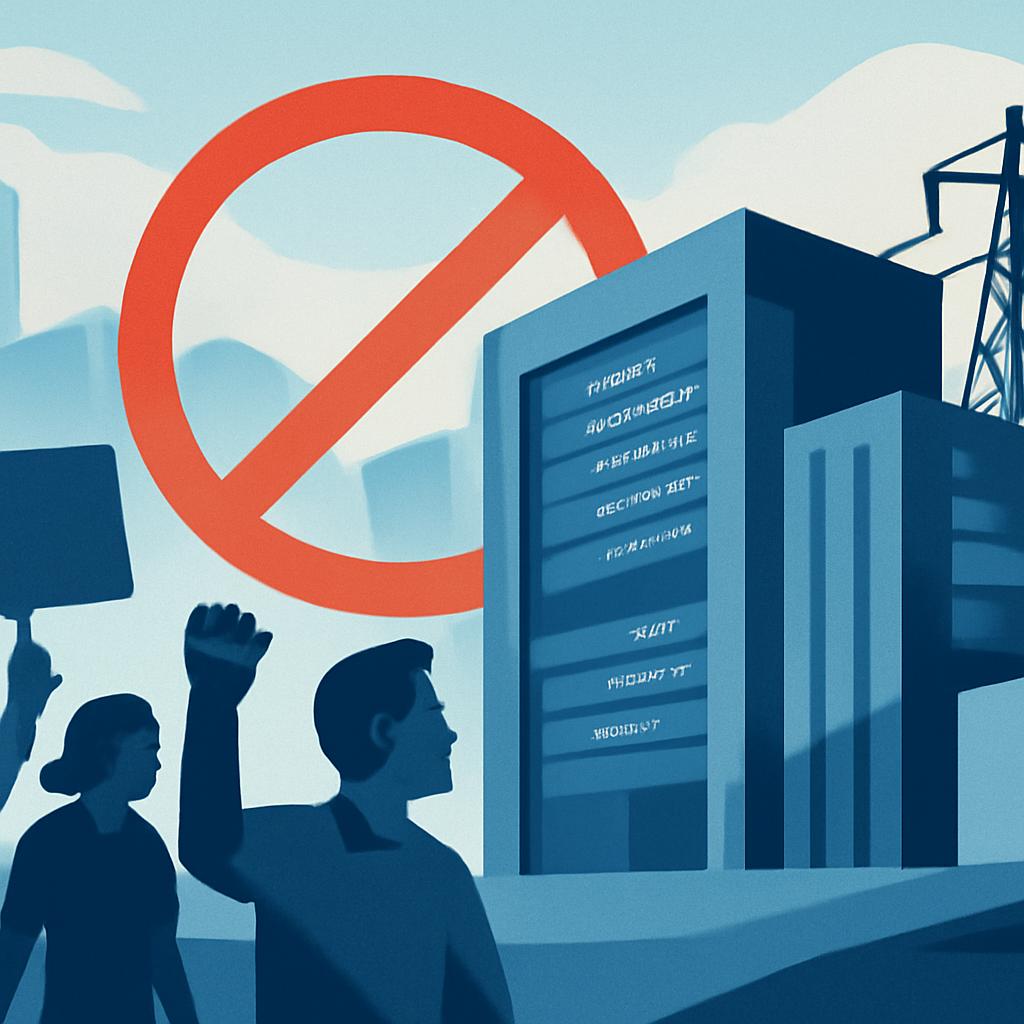
New York has enacted a one-year ban on large data centers, marking a significant regulatory shift fueled by rising concerns over energy demand and resource depletion. This move is part of a broader national backlash, with various states implementing moratoriums and restrictions on data center development to address similar issues.
How It Worked
Governor Kathy Hochul’s executive order targets data centers over 50 megawatts, aiming to prevent utility costs from rising and protect natural resources. Other states like Arizona and California have taken similar steps, such as ratepayer protection laws and zoning restrictions. For instance, Arizona's regulators will ensure that data center costs are not passed onto other consumers, while California's Monterey Park has permanently banned new data center construction.
Results
This collective action has resulted in significant delays and stoppages in data center projects. Data Center Watch reported that in Q1 2023 alone, 75 projects worth a combined $130 billion faced delays or were canceled, matching the total for all of 2022. Such numbers indicate that the backlash is not just localized but a widespread phenomenon across the country.
Why It Matters for You
For business leaders and entrepreneurs in tech, this trend signals a need for adaptive strategies when planning data center developments. Understanding local regulations and the potential for opposition can save time and resources. It may be wise to consider alternative locations or investment in sustainable practices to navigate this evolving landscape effectively.