The Gist
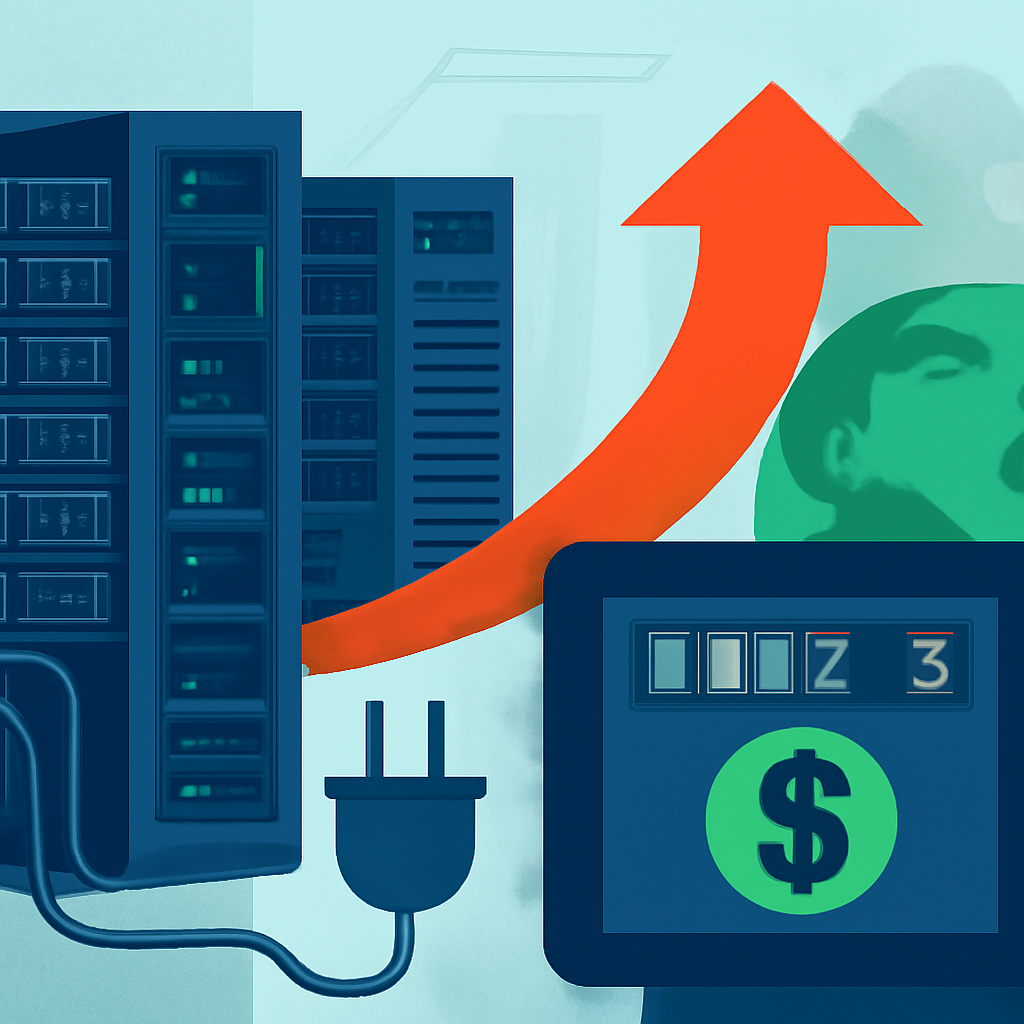
Large data centers are pushing energy demand up, leading to a projected $23 billion increase in electricity costs for consumers across the U.S. until at least 2028, raising concerns over fair cost allocation.
How It Worked
Regulators are tasked with determining how to allocate the costs of electricity infrastructure among various customer categories. This involves identifying utility costs, analyzing customer usage patterns, and setting rates based on several criteria, including "coincident peak demand." Data centers can adjust their energy consumption to avoid peak periods, potentially shifting costs away from themselves and onto residential consumers. This manipulation of peak demand can lead to unfair cost distribution, as residential users lack the same flexibility to alter their consumption.
Results
A report from the PJM market indicates that rising power demand from data centers is expected to contribute to $23 billion in price hikes for electricity customers. This increase will likely impact customers until at least the end of 2028, highlighting a significant financial burden on residential consumers.
Why It Matters for You
Consumers need to be proactive in understanding how electricity costs are allocated and the implications of data centers on their bills. Engaging in public comment sessions and advocating for clearer representation in regulatory discussions can help ensure that residential voices are heard, preventing undue financial strain from utility costs linked to large data centers.