What Happened
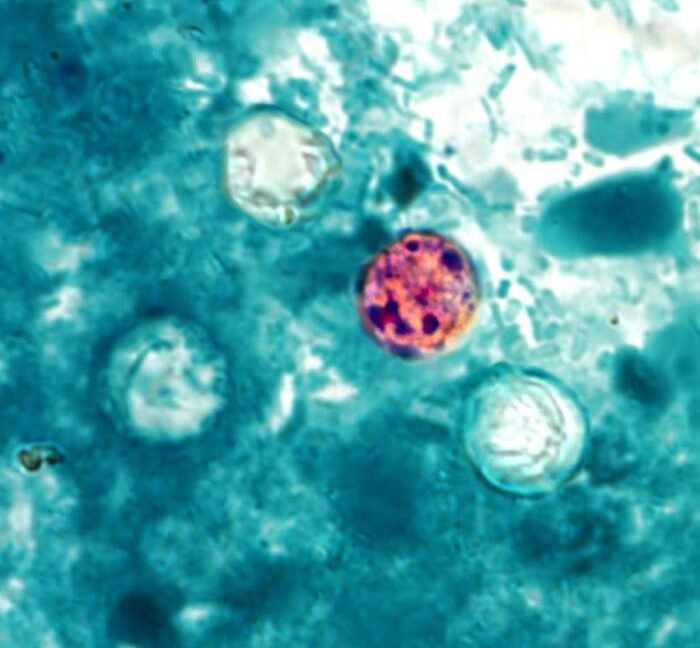
In Michigan, the state has witnessed a dramatic rise in cases of a diarrheal parasite over a short period. As of July 6, more than 700 cases have been reported since June 22, and the number of hospitalizations has reached 36. The outbreak is still under investigation, and health officials have yet to determine the source of the infections.
Why It Matters
This outbreak raises significant public health concerns, particularly as it impacts a large number of individuals in a relatively short time frame. The sudden increase in hospitalizations indicates that some cases may be severe, potentially overwhelming local healthcare resources. Understanding the source of the outbreak is crucial for preventing further spread and protecting public health.
Context
Diarrheal outbreaks caused by parasites are not new, but large-scale incidents can be rare. Typically, these infections can stem from contaminated food or water, but pinpointing the exact cause can often be challenging. Previous outbreaks have taught health officials the importance of rapid response and thorough investigations.
What It Means
The ongoing outbreak in Michigan serves as a reminder of the vulnerabilities in public health systems, particularly regarding food safety and water quality. If the source of the infection is not identified quickly, the number of cases may continue to rise, leading to more hospitalizations and possibly fatalities. Active monitoring and a swift response from health authorities will be essential in managing the situation and preventing future outbreaks.