What Happened
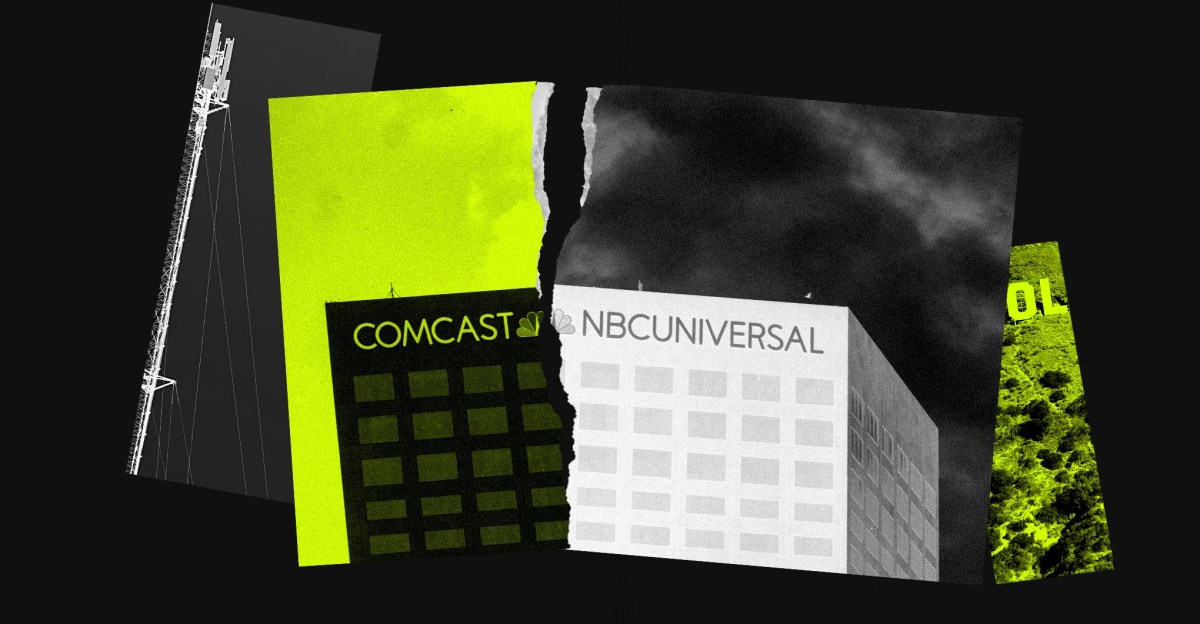
Comcast has announced a significant restructuring, splitting into two distinct companies: one focused on broadband services and the other on entertainment through NBCUniversal. This change follows an earlier spin-off of its cable assets into a new company named Versant. The move reflects a growing recognition that the combined model of media production and broadband distribution may no longer be viable.
Why It Matters
This split is notable because it signals a shift in how companies view the relationship between content and distribution. For years, the idea that owning both the pipes (broadband) and the content (NBC) would create synergies has failed to deliver the expected results. Wall Street's lack of confidence in this combined model has led to pressure on Comcast to separate these interests. This division could lead to more focused strategies for both companies, potentially reshaping the competitive landscape in both the media and telecommunications sectors.
Context
The merger of Comcast and NBCUniversal in 2011 was celebrated as a transformative move, believed to create a powerhouse that could leverage its vast content library alongside its broadband infrastructure. However, the anticipated synergies never fully materialized. Other companies, like AT&T with its acquisition of Time Warner, have faced similar challenges, leading to a trend of divestments and restructurings in the media landscape. The rise of streaming platforms and shifting consumer preferences have further complicated the traditional media business model.
What It Means
The breakup suggests Comcast is acknowledging the failure of the content-plus-pipes strategy. The broadband company will now focus solely on internet services, while NBCUniversal can concentrate on entertainment without the baggage of a declining cable business. This separation may make both companies more appealing to investors and could open the door for future mergers or acquisitions, as both sectors face increasing competition from new entrants. Furthermore, this reinforces the trend of unbundling in the media industry, as companies seek to clarify their value propositions amid a rapidly changing marketplace.