What Happened
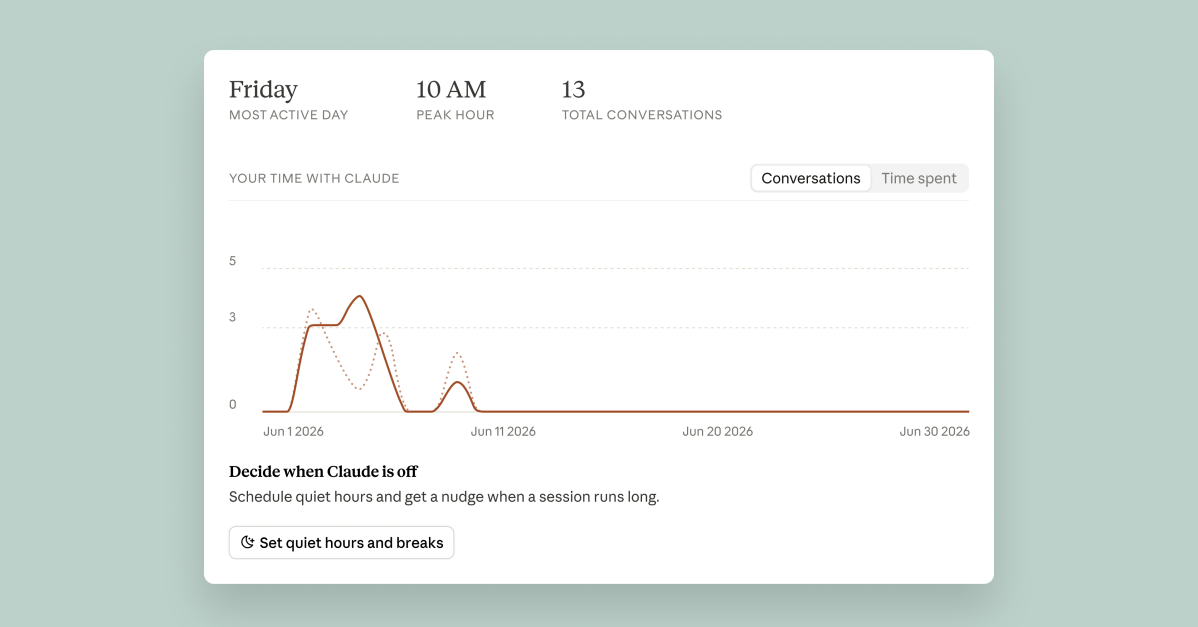
Anthropic has unveiled a new feature for its Claude chatbot called "reflect," which enables users to review their interactions over various timeframes—one month, three months, six months, or even a year. This function is part of a broader trend, inspired by Spotify Wrapped, where apps provide users with a summary of their activity. The reflect feature aims to help users understand their usage habits and preferences by providing an analysis of their conversations with the AI.
Why It Matters
The introduction of the reflect feature signifies a growing emphasis on user engagement and personalization in AI tools. By allowing users to see their interaction patterns, Anthropic is not only enhancing the user experience but also empowering individuals to optimize their conversations with Claude. This could lead to more meaningful interactions, as users gain insights into their most common topics and the types of tasks they delegate to the AI. For the broader AI market, this approach may set a precedent for other companies to adopt similar features, potentially reshaping how users interact with AI.
Context
The concept of year-in-review features gained traction with Spotify Wrapped, which provides users with a fun recap of their listening habits. This trend has since spread to various platforms, including YouTube and Uber, highlighting a desire for retrospective insights into user behavior. Anthropic's reflect feature positions Claude as a more interactive and self-aware chatbot, aligning it with this growing trend in digital applications.
What It Means
The reflect feature is a strategic move by Anthropic to foster deeper connections between users and their AI. By providing detailed insights into usage patterns, the company encourages users to engage with Claude more thoughtfully. This could lead to improved user satisfaction, as individuals become more aware of their interactions and can tailor their conversations accordingly. As more AI platforms consider similar reflective capabilities, the landscape of AI interaction could evolve, placing a greater emphasis on personalization and user feedback.