What Happened
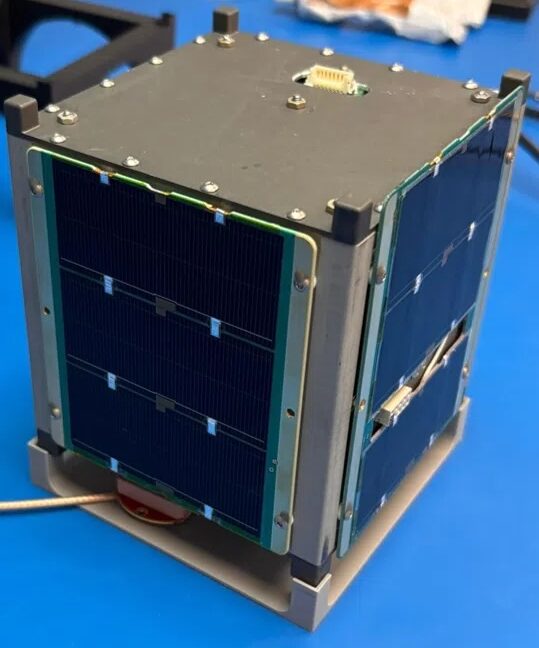
Miami-based City Labs has made a significant advancement in the realm of space technology with the launch of its satellite, BOHR, during a SpaceX mission. This satellite is designed to test nuclear micro-power technology, a crucial step towards the potential use of nuclear power in space exploration. The satellite was released into orbit at an altitude of approximately 350 to 400 miles and is part of a larger effort to harness nuclear energy for future space missions.
Why It Matters
The successful launch of BOHR represents a pivotal moment for the future of energy in space. If nuclear power can be effectively utilized in space, it could lead to sustainable energy sources for long-term projects, such as establishing a permanent base on the Moon or powering missions to Mars and beyond. This technology could significantly enhance the efficiency and capability of space exploration, reducing our reliance on traditional fuel sources.
Context
Nuclear power has long been a topic of interest for space agencies and private companies alike, with its potential to provide a consistent and powerful energy source. The concept of nuclear reactors in space has been explored for decades, but practical applications have remained elusive. City Labs' initiative to develop a satellite that tests nuclear micro-power technology is the first step in a journey that could revolutionize how we approach energy in outer space.
What It Means
The launch of the BOHR satellite is not just a technological achievement; it signifies a shift in how we think about energy for space missions. Successful tests of nuclear micro-power could pave the way for more ambitious projects, such as deeper space exploration and sustained human presence on other celestial bodies. As the technology matures, it could transform the landscape of space travel, making it more feasible and efficient than ever before.