What Happened
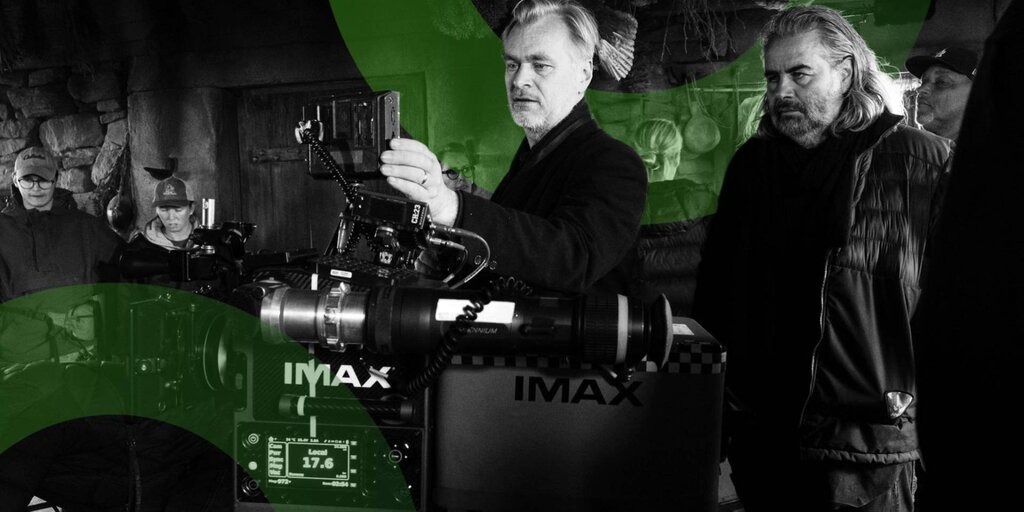
Director Christopher Nolan, known for his acclaimed films, has voiced strong opinions about how younger audiences perceive AI-generated content. He describes their reaction as 'immediate and harsh', suggesting that the youth are not impressed with the quality of AI-produced media.
Why It Matters
This perspective from a prominent filmmaker raises important questions about the future of storytelling and content creation. If younger audiences are rejecting AI-generated works, it could signal a significant shift in the entertainment industry, where authenticity and human creativity are valued over automated production. This trend might influence how studios approach content development moving forward, prioritizing more original and relatable narratives.
Context
The rise of AI in creative fields has sparked a debate about the role of technology in art. While AI tools can assist in generating scripts, music, and visuals, critics argue that they lack the emotional depth and nuance that human creators bring to their work. Nolan's comments highlight a growing sentiment among younger viewers who seek genuine connections through storytelling rather than formulaic, machine-generated content.
What It Means
Nolan's critique suggests that the future of media might heavily rely on human creativity to engage younger audiences. As they increasingly demand quality over quantity, creators and industry leaders may need to reconsider their reliance on AI technologies. This could lead to a renewed focus on innovative storytelling methods that resonate more deeply with viewers, steering the industry away from what Nolan terms 'AI slop'.