What Happened
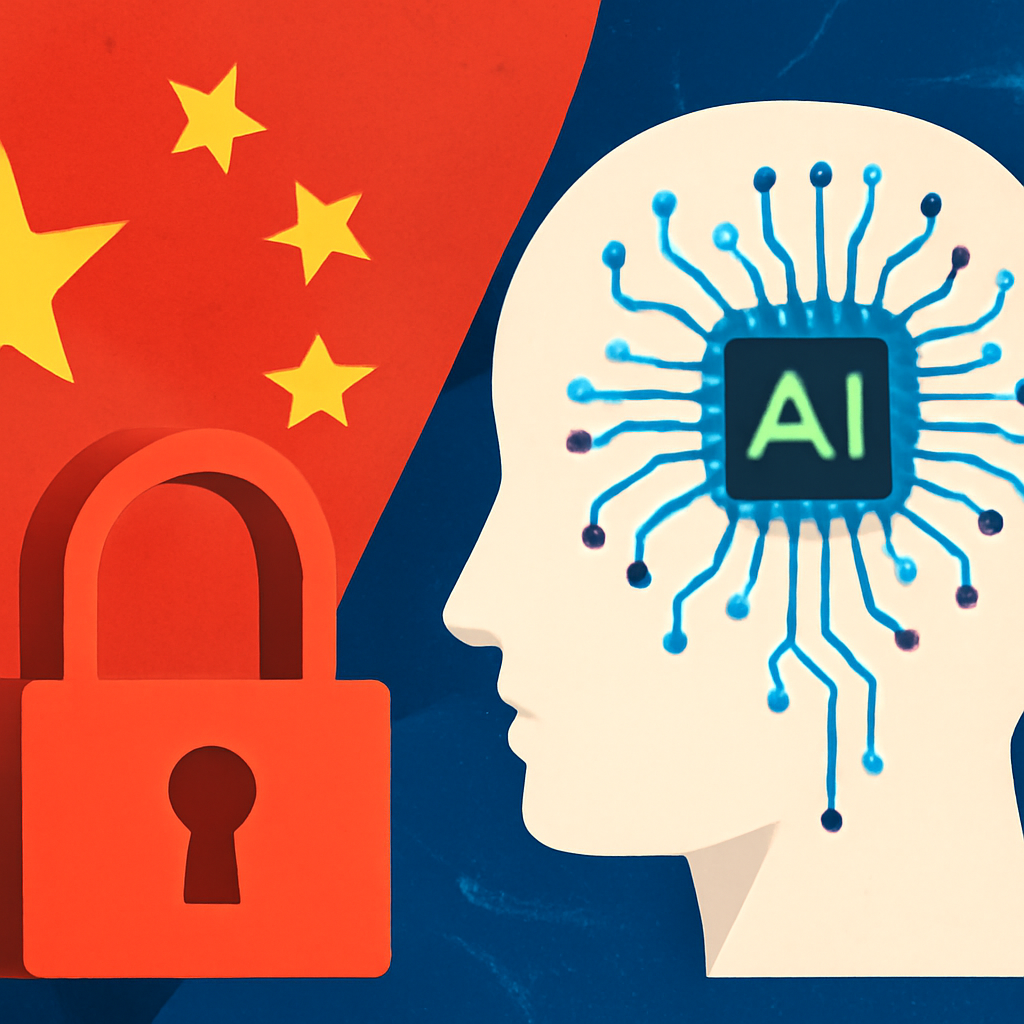
China is contemplating new measures to limit foreign access to its cutting-edge AI models. This includes both open-weight models and those that have not been publicly released. The discussions are being led by the Ministry of Commerce, which has been in talks with major tech companies like Alibaba, ByteDance, and Zhipu AI.
Why It Matters
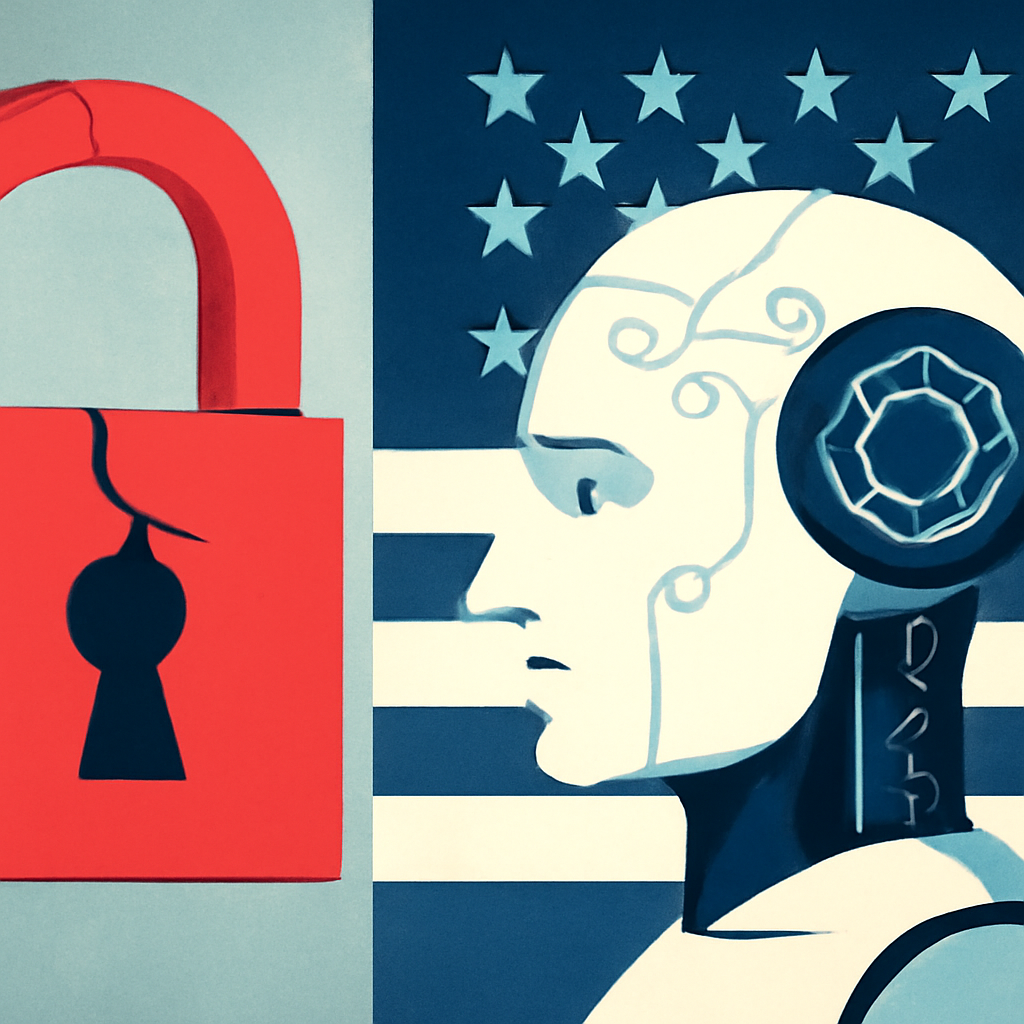
If implemented, these restrictions could have profound implications for the global AI landscape. By limiting access to its most advanced technologies, China may aim to strengthen its domestic AI industry and protect its intellectual property. This move comes in response to recent U.S. export controls, indicating a growing trend of countries safeguarding their technological assets.
Context
The backdrop of these discussions is the intensifying tech rivalry between the U.S. and China. The U.S. has already enacted stringent export controls on advanced AI technologies, prompting China to consider its own defensive measures. Such restrictions might lead to further fragmentation in the global tech ecosystem, where countries prioritize domestic capabilities over international collaboration.
What It Means
The potential restrictions signal a shift in how nations view AI technology in the context of national security. If these measures are formalized, they could not only stifle innovation but also create a divide in the AI field, with some of the most advanced models being confined to domestic use. This could lead to a scenario where global cooperation in AI research and development becomes increasingly difficult, ultimately affecting users and industries worldwide.