What Happened
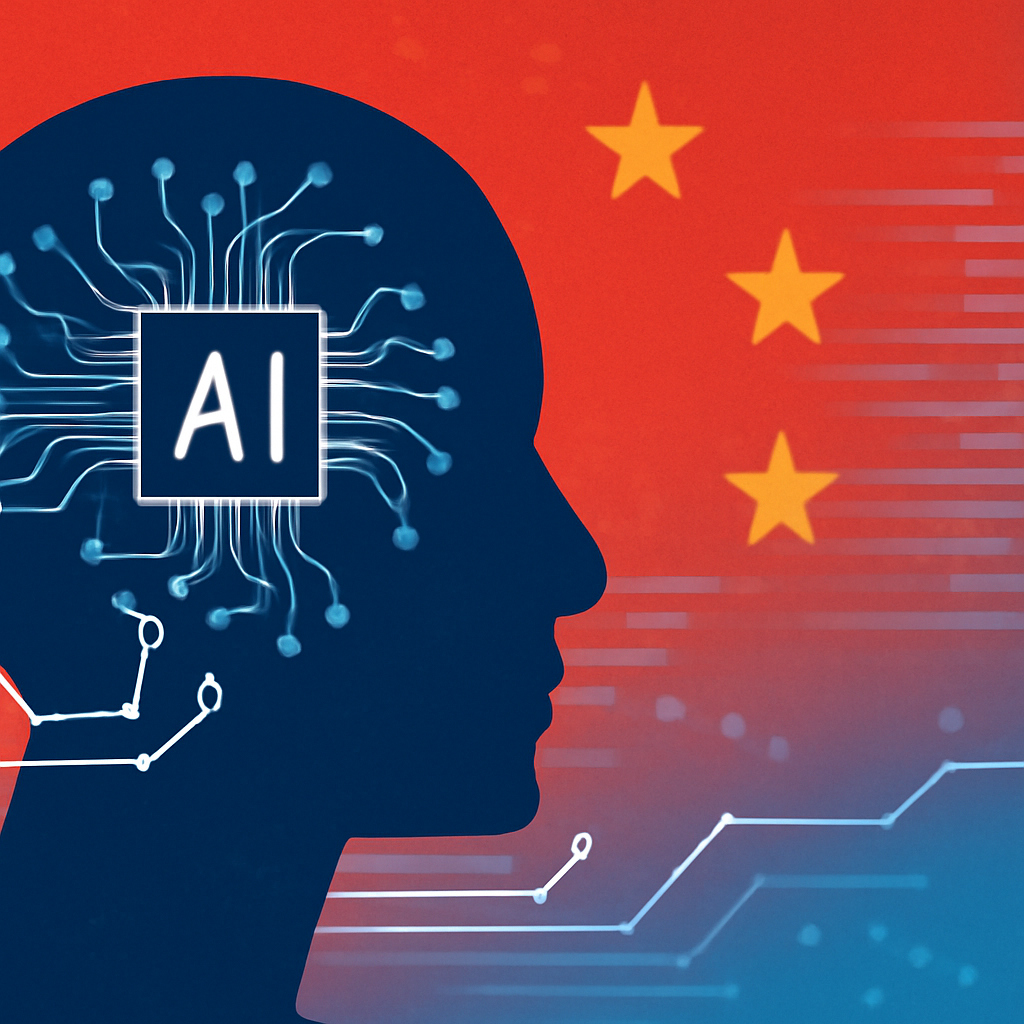
Chinese authorities have been meeting with major tech companies over the past month to discuss the possibility of imposing export restrictions on their most advanced AI models. Participants in these discussions included giants like Alibaba, ByteDance, and the startup Z.ai, which develops GLM models. The conversations covered not only existing models but also those that are yet to be released to the market.
Why This Matters
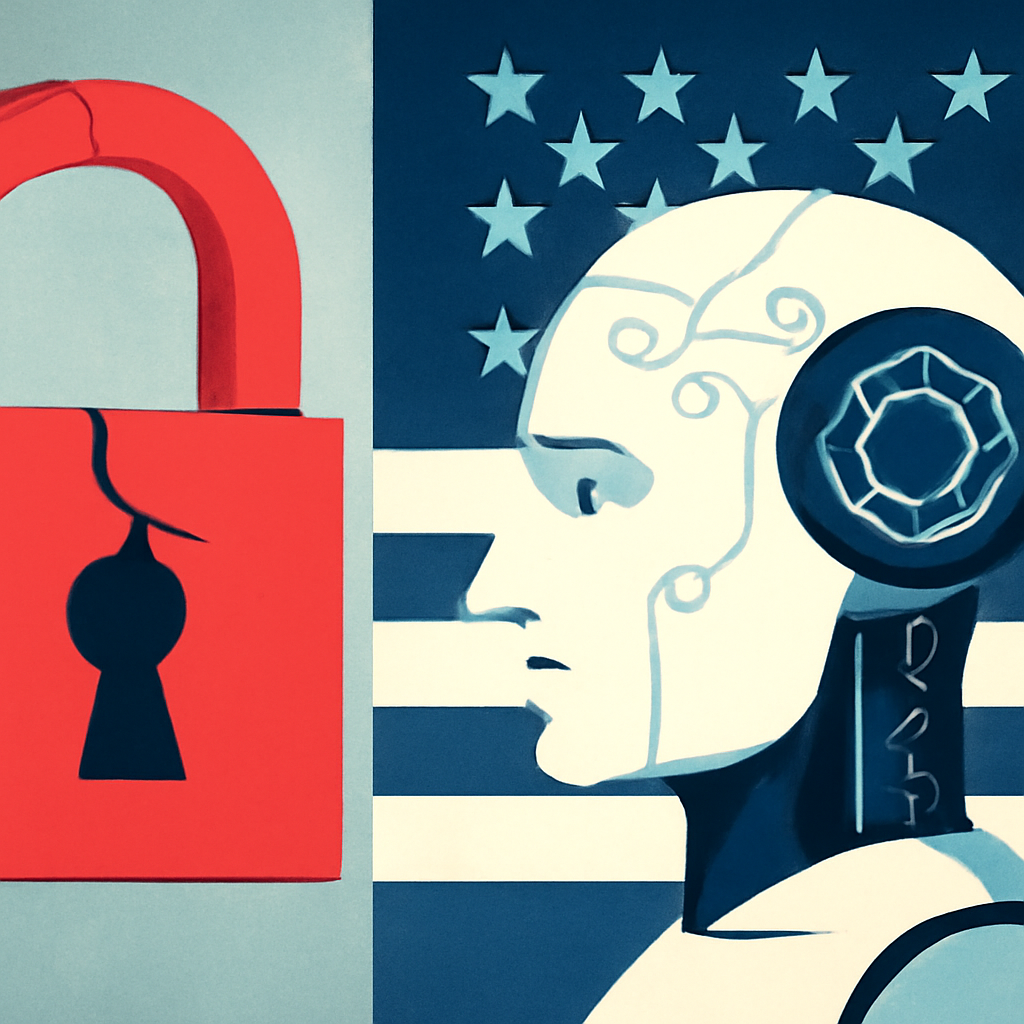
If Beijing decides to implement export restrictions, it could significantly impact the international artificial intelligence market. AI technologies developed in China play a crucial role in the global race for leadership in this field. Restricting access to such models could provide competitive advantages to other countries that will not have access to the latest advancements.
Context
China is actively developing its AI technologies and aims to take a leading position in this area. In recent years, the country has significantly increased investments in AI development and has established numerous startups that are actively working on new models. The introduction of export restrictions may be part of a broader strategy to protect national interests and technological sovereignty.
What This Means
If restrictions are implemented, it could lead to a fragmentation of the global AI market into blocks. Countries without access to Chinese technologies may accelerate their own developments or seek alternative solutions, which could, in turn, create new opportunities for startups and companies in other regions. Furthermore, this raises questions about the safety and ethics of AI usage, as control over such technologies may end up in the hands of a limited number of states.