What Happened
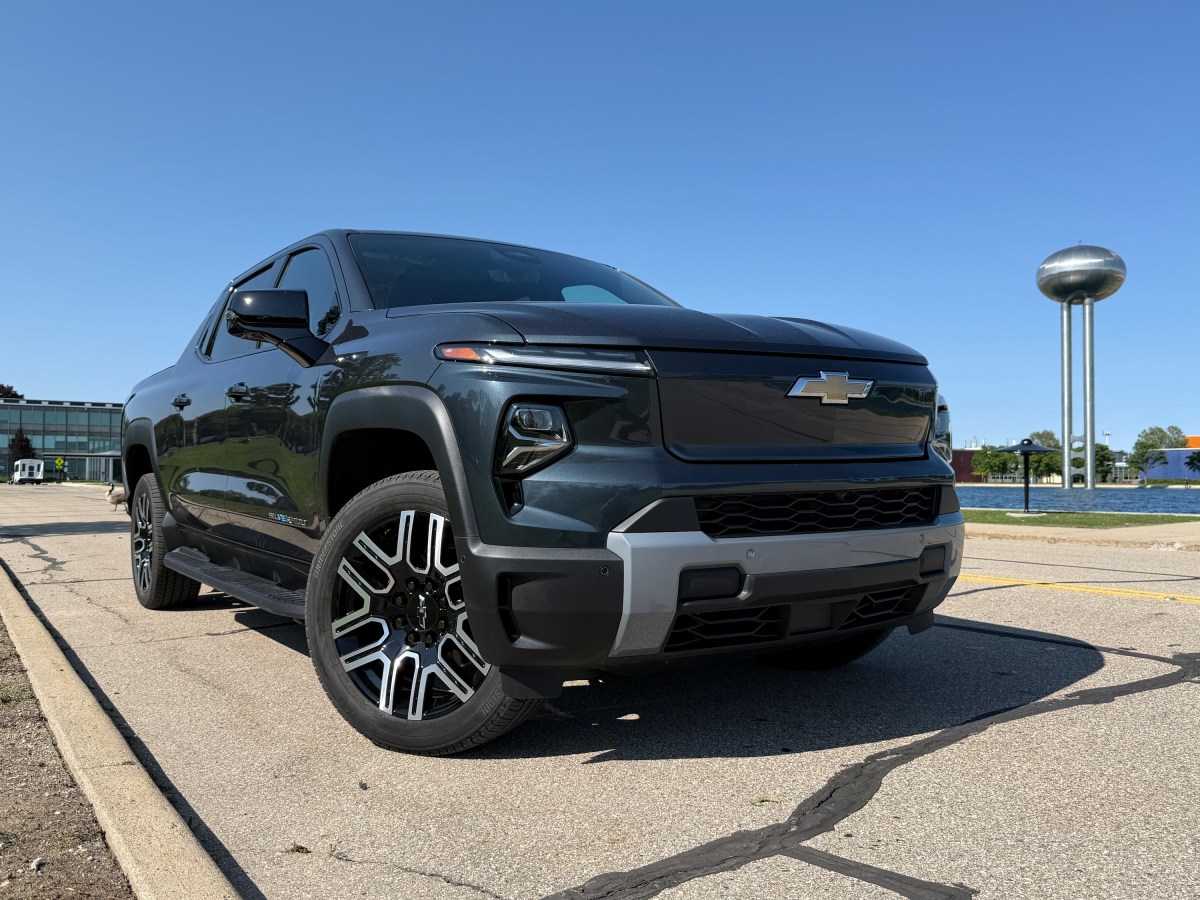
Chevy has launched the Silverado EV, an electric pickup truck that marks its foray into the growing EV market. While the vehicle boasts impressive features and a strong American heritage, sales figures are not meeting expectations. Many potential buyers are still on the fence about making the switch to electric, even with the appeal of a well-known brand.
Why It Matters
The slow sales of the Silverado EV could signal broader challenges for the electric vehicle market, particularly in the pickup segment, which has traditionally been dominated by gasoline-powered models. As automakers invest heavily in electric technology, understanding consumer hesitance is crucial for future product development and marketing strategies. If Chevy can't attract buyers, it may reflect larger issues in consumer perception of EVs.
Context
Pickup trucks have long been a staple in the American automotive landscape, with brands like Chevy and Ford enjoying loyal customer bases. As the industry shifts towards electrification, these brands face the challenge of reshaping their identities in a market that is rapidly evolving. The Silverado EV is designed to compete with other electric pickups, but it needs to overcome skepticism about range, charging infrastructure, and overall utility compared to traditional trucks.
What It Means
The current hesitance among buyers suggests that Chevy needs to address a few key issues to boost interest in the Silverado EV. Enhancements in range, affordability, and charging options could make a significant difference. Additionally, a deeper understanding of consumer preferences and concerns will be essential for Chevy to convert interest into sales. If the Silverado EV can overcome these challenges, it may well pave the way for future success in the electric truck market.