What Happened
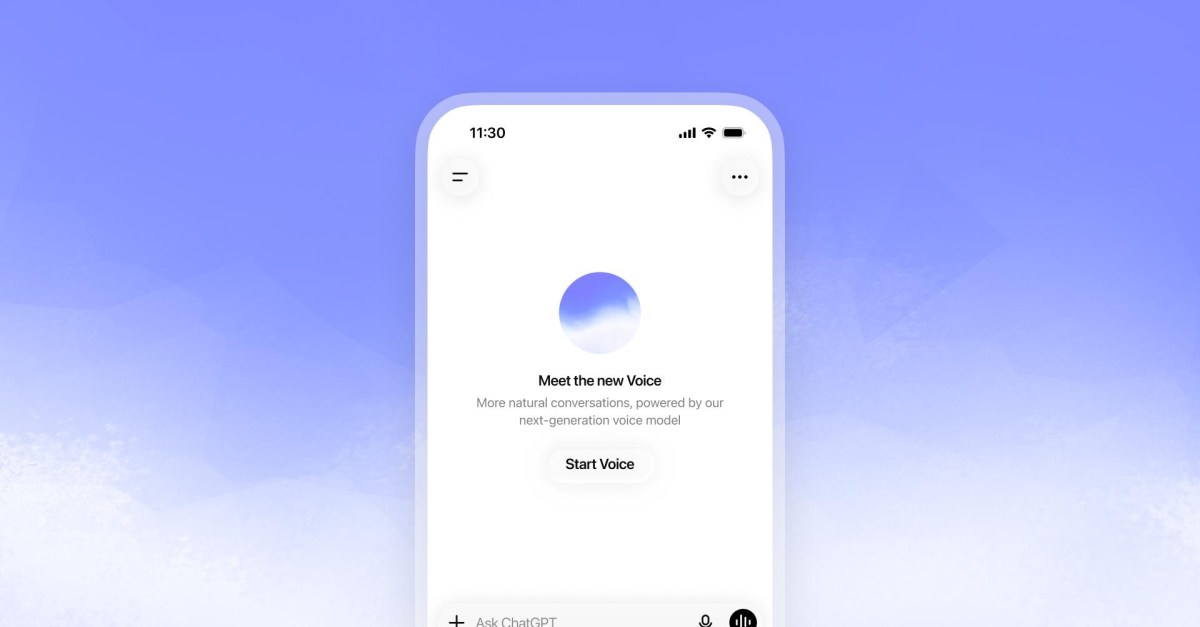
OpenAI has introduced a significant upgrade to ChatGPT's voice mode, unveiling the new GPT-Live-1 model. This latest version aims to create a more fluid and human-like interaction by reducing interruptions during conversations. Rather than cutting off users, GPT-Live-1 is designed to patiently wait for them to continue speaking if they pause, making exchanges feel more natural.
Why It Matters
This voice model improvement is a crucial step toward enhancing user experience in AI interactions. By mimicking human conversational patterns, the upgraded ChatGPT could lead to more meaningful and engaging discussions. Furthermore, the model's ability to seamlessly switch to advanced text-based models, like GPT-5.5, when complex reasoning is needed, ensures that users receive comprehensive answers without feeling rushed.
Context
Historically, AI voice interactions have struggled with aspects of natural conversation, often leading to frustrating user experiences. Previous iterations of voice models would frequently interrupt users or fail to adapt to conversational pauses. OpenAI's commitment to refining these interactions reflects a broader trend in the tech industry, where companies are increasingly focused on creating AI that understands and mimics human communication.
What It Means
The evolution of ChatGPT's voice capabilities signifies a pivotal moment in AI development. As voice interactions become more intuitive, they could revolutionize how users engage with technology. This shift not only enhances user satisfaction but also sets a new standard for AI communication, encouraging other companies to invest in similar advancements. With the integration of powerful text models into voice interactions, users can expect richer and more informative dialogues, bridging the gap between human and machine communication.