What happened
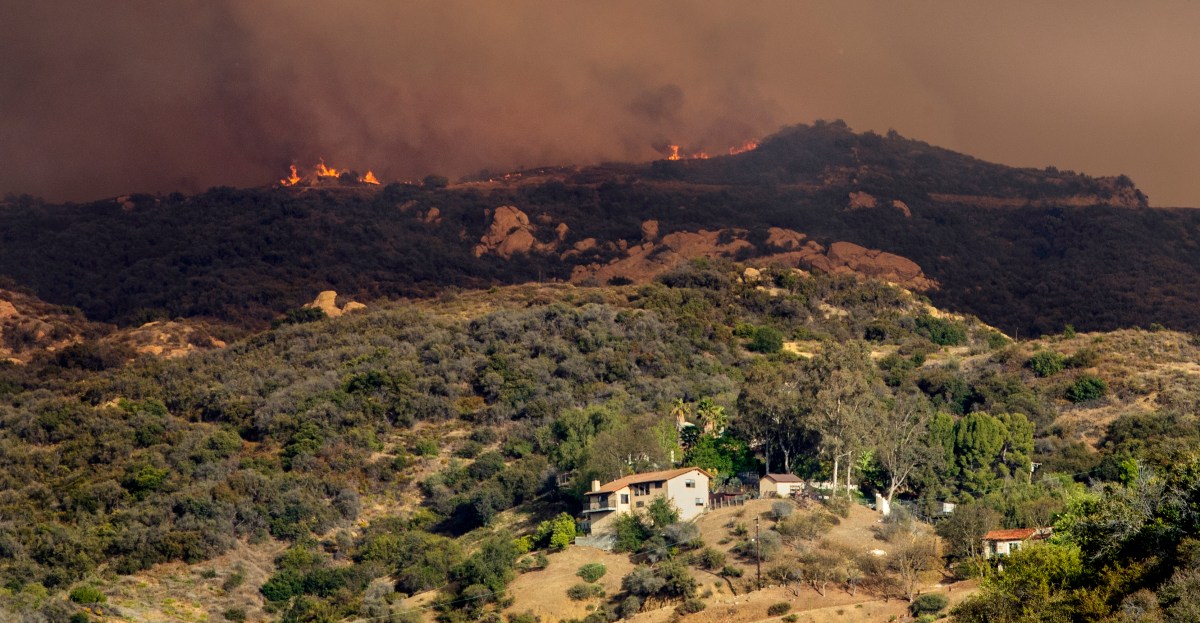
In a notable arson trial, Jonathan Rinderknecht faced serious charges for igniting a fire on New Year's Day in 2025, which led to one of the most devastating wildfires in Los Angeles history. Alongside traditional evidence like location data from his iPhone and witness testimonies, prosecutors introduced Rinderknecht's ChatGPT logs as part of their case. These logs revealed his interactions with the chatbot, including discussions about fire and his emotional state.
Why this matters
The incorporation of AI-generated content into legal proceedings raises significant questions about the role of technology in the courtroom. By using ChatGPT logs, prosecutors are highlighting how digital conversations and online behavior can potentially serve as evidence in serious criminal cases. This could set a precedent for future trials, where digital footprints and AI interactions become a standard part of evidence gathering.
Context
As artificial intelligence continues to evolve, its applications in various sectors, including law enforcement and legal proceedings, are becoming more prevalent. This case illustrates a shift in how evidence is perceived and utilized in court, particularly in relation to personal digital data. The legal system is increasingly recognizing the need to adapt to the digital age, where conversations with AI can provide insights into an individual's mindset and intentions.
What this means
The use of ChatGPT logs in this trial underscores the growing intersection between technology and the law. It suggests that interactions with AI can be scrutinized just like other forms of communication. As this trend continues, individuals may need to be more mindful of their digital interactions and how they could be interpreted in legal contexts. This case could pave the way for more sophisticated approaches to evidence collection, challenging traditional notions of privacy and personal expression in the age of AI.