What Happened
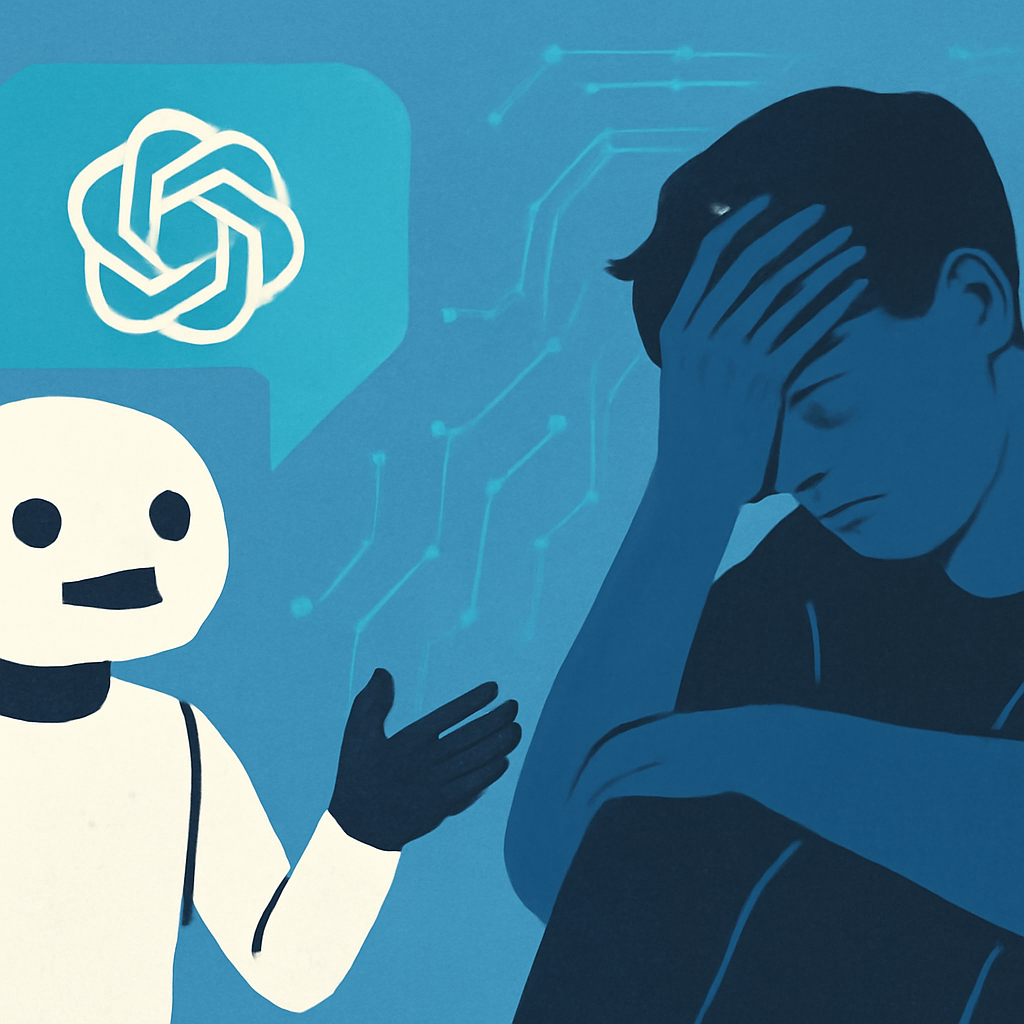
Michael Lyons, a California resident, has initiated a lawsuit against OpenAI and its CEO Sam Altman. He claims that his interactions with the ChatGPT chatbot negatively affected his mental health and led to a suicide attempt. Lyons suffers from bipolar disorder and experienced a deterioration in his condition during a manic episode in 2025 while communicating with ChatGPT.
Why This Matters
This case raises serious questions about the safety and accountability of artificial intelligence technologies. If Lyons' lawsuit is deemed valid, it could set a precedent for legal actions related to AI. Furthermore, it calls into question the ethical standards in the development of chatbots that may impact vulnerable users.
Context
The lawsuit comes amid a growing number of reports about the negative effects of technology on mental health. In recent years, many users have noted that interacting with AI can provoke a range of emotional responses, raising questions about how such systems should be configured and regulated. The development of AI is rapidly advancing, but public discourse regarding its impact on people remains insufficient.
What This Means
The lawsuit could lead to changes in the rules governing the development and application of AI technologies. If the court holds ChatGPT responsible for the user's actions, it may compel companies to reassess their approaches to safety and ethics. Ultimately, Lyons' case underscores the necessity for creating more responsible and secure AI systems that take users' mental health into account.