What happened
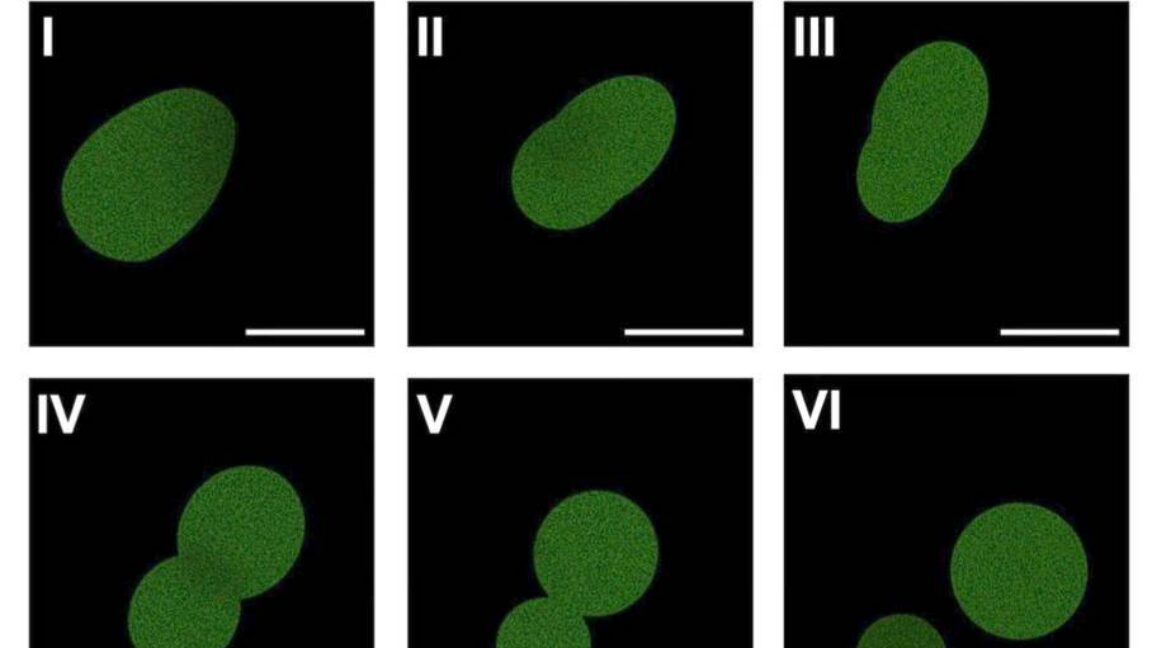
Researchers at the University of Minnesota have created an artificial cell that can enclose genetic material and undergo cell division. Unlike previous models, this new system can continuously import materials, addressing a significant challenge in synthetic biology: how to sustain chemical reactions within a membrane without depleting resources. The artificial cells can even produce multiple generations before they start to fail, marking a notable advancement in the field.
Why this matters
This development could reshape our understanding of how life originated on Earth. By mimicking key processes seen in biological cells, researchers can explore fundamental questions about the nature of life. The ability of these artificial cells to import materials could provide insights into how primitive cells might have sustained themselves, facilitating the development of more complex forms of life. This research not only advances synthetic biology but also enhances our grasp of evolutionary processes.
Context
Understanding the origin of life has long been a central question for scientists, with numerous theories attempting to explain how the first living organisms emerged from simple chemical compounds. Earlier studies showed that while membranes could form spontaneously in water, they would isolate their internal environment, preventing ongoing chemical reactions. This breakthrough offers a possible solution to that problem, paving the way for more complex synthetic life forms.
What this means
The successful creation of these artificial cells suggests that we may be stepping closer to answering fundamental questions about life’s origins. Although still reliant on human intervention, this research opens new pathways for examining life’s minimal requirements and could lead to the development of more autonomous synthetic life forms in the future. As scientists continue to refine this technology, the implications for both biology and technology could be profound, potentially impacting fields ranging from medicine to environmental science.