What Happened
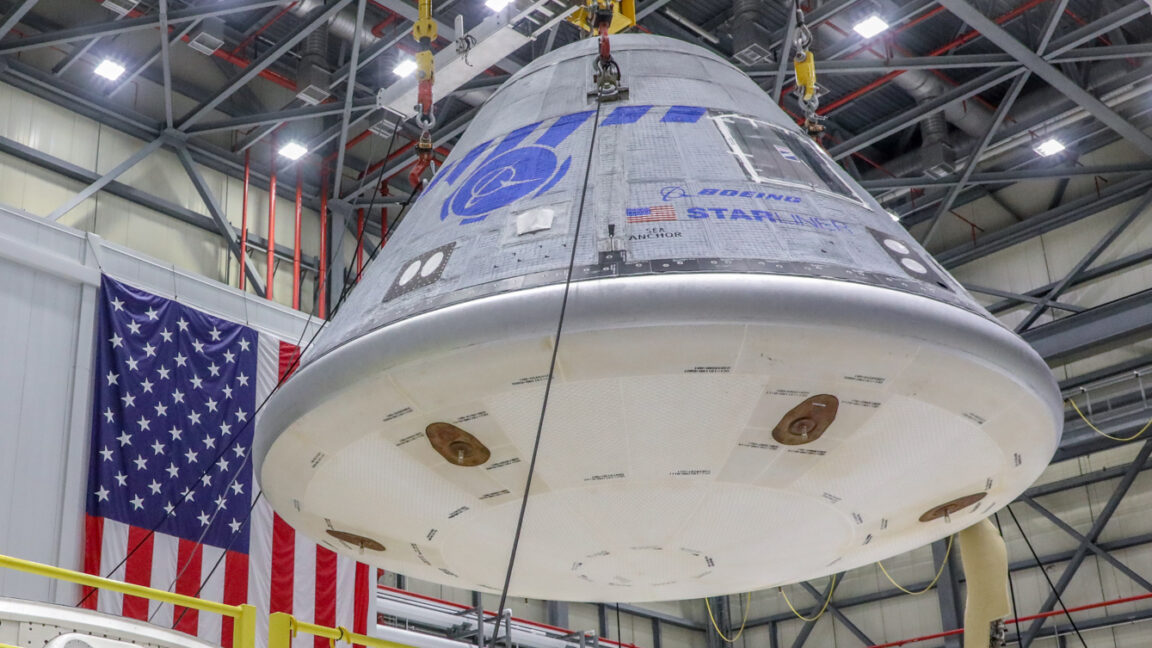
NASA's inspector general has released a new audit regarding the agency's Commercial Crew Program, revealing significant delays in Boeing's Starliner crew capsule. The report indicates that Starliner is unlikely to receive certification for operational flights to the International Space Station until next year. This delay places the program nearly a decade behind its initial target of 2017.
Why It Matters
The implications of this delay are profound for both NASA and Boeing. With the International Space Station (ISS) planned for retirement in 2030, and discussions in Congress for an extension until 2032, the timing of Starliner's readiness is critical. If it becomes operational only next year, it will have limited time to support crew rotations before the ISS is potentially decommissioned, impacting the future of manned space exploration.
Context
Boeing's Starliner was developed as part of NASA's strategy to send astronauts to the ISS using commercial vehicles. The original timeline aimed for a 2017 debut, but various technical challenges and setbacks have consistently pushed this date back. The recent audit from the inspector general included six recommendations to address these delays, all of which NASA officials have agreed to implement.
What It Means
The findings suggest that Boeing must not only expedite the certification process but also ensure that all issues from Starliner's first test flight, planned for 2024, are adequately resolved and documented. As pressure mounts to meet the new timelines, the future of the Starliner program remains uncertain, hinging on effective management and resolution of ongoing challenges.