The Gist
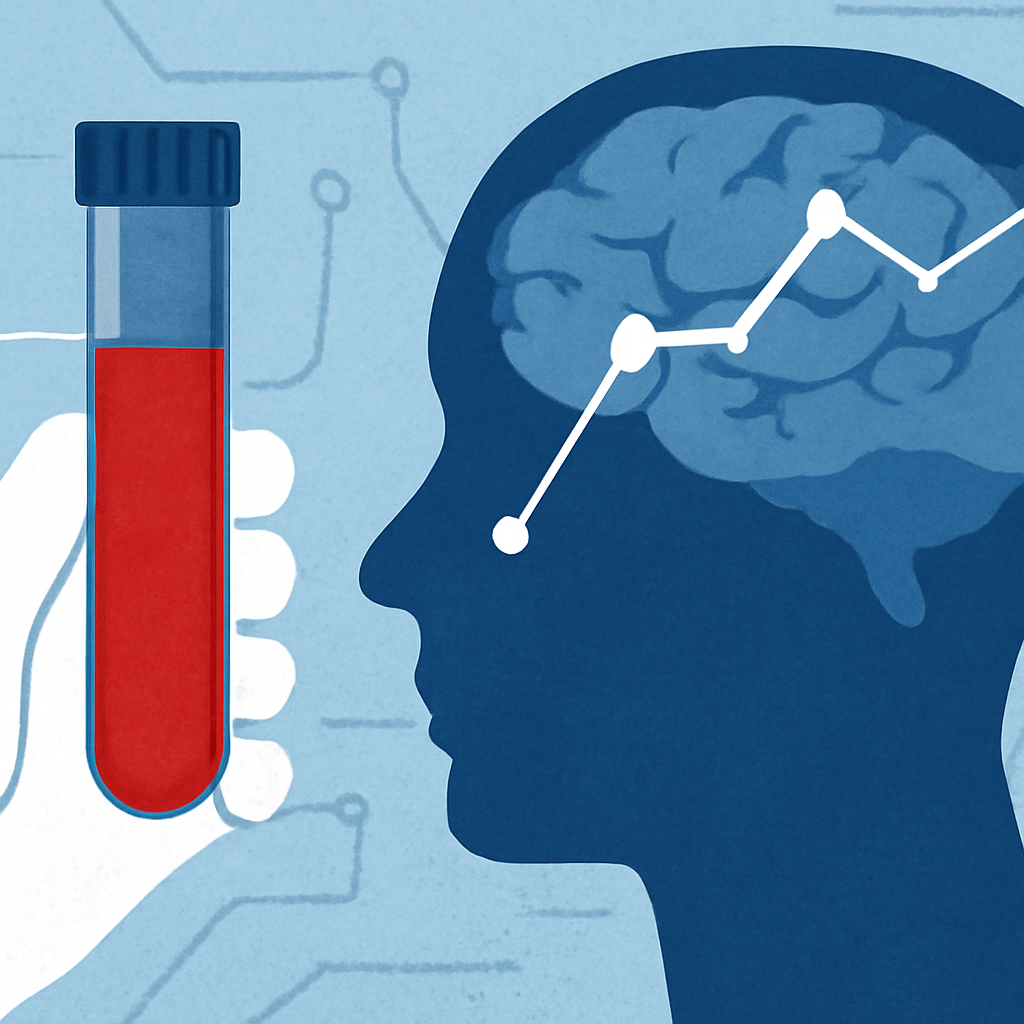
Researchers have unveiled a blood test that may forecast Alzheimer’s symptoms in seemingly healthy older adults, potentially revolutionizing the identification of high-risk individuals for clinical trials.
How It Worked
The study involved 2,684 older adults who were healthy at enrollment in long-term Alzheimer’s studies, with the p-tau217 blood test administered at the outset and followed by yearly cognitive assessments. The results indicated that those with very high p-tau217 levels had a 38% chance of developing cognitive impairment over five years, escalating to 78% within ten years. The test measures a form of tau protein that correlates with amyloid plaque buildup in the brain, providing insight into the progression of Alzheimer’s disease.
Results
Among the participants, approximately 478 developed cognitive impairment from 2004 to last year. The findings illustrate a clear relationship between high p-tau217 levels and increased risk of Alzheimer’s, offering a predictive window for potential intervention. However, only a limited number of participants were tracked for a decade, leading to caution in interpreting long-term risk estimates.
Why It Matters for You
This blood test represents a significant step toward personalized medicine in Alzheimer’s research. While it’s not yet recommended for routine use in healthy individuals, staying informed about such advancements can help you understand future screening methods and preventive strategies. Prioritize a healthy lifestyle in the meantime, as experts emphasize the importance of good nutrition, exercise, and mental engagement for brain health.