What happened
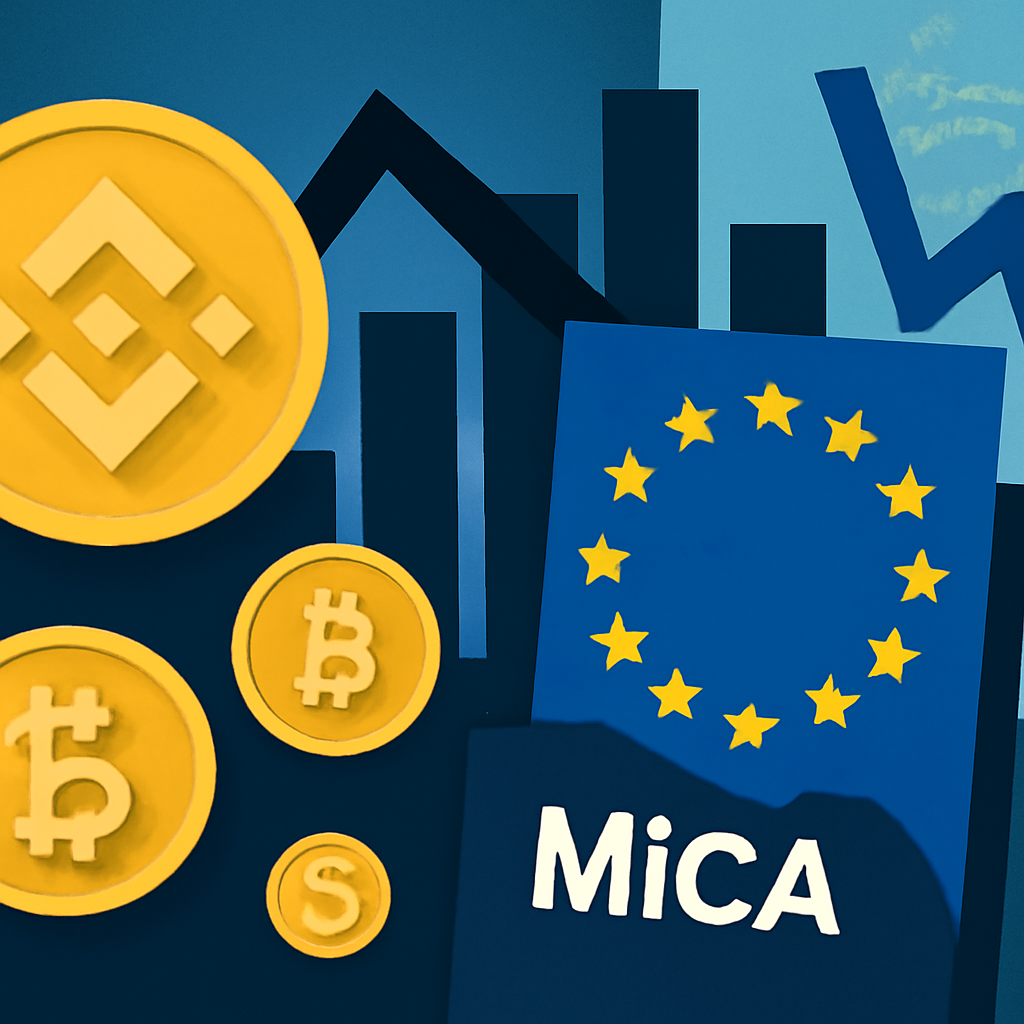
Binance has officially withdrawn its application for a MiCA license in Greece, following concerns raised by local regulators about the exchange's corporate structure. Starting July 1, the platform will suspend new orders, deposits, signups, and its Earn/staking services for users in the EU. This marks a significant step back for one of the largest cryptocurrency exchanges in the region.
Why this matters
The MiCA (Markets in Crypto-Assets) regulation aims to provide a comprehensive framework for crypto assets in the European Union. With only about 200 firms successfully obtaining MiCA licenses out of more than 1,200 that had national registrations prior to the regulation, the conversion rate is alarmingly low—below 18%. Binance's withdrawal is a clear indication that these regulations are having tangible effects, and it raises questions about the future viability of non-compliant exchanges in Europe.
Context
The MiCA regulation was introduced to bring order and security to the rapidly evolving crypto landscape in the EU. It aims to protect investors and ensure a level playing field for crypto businesses. As of May 2026, the low number of firms that have secured licenses highlights the challenges and complexities involved in complying with these new rules. Binance's situation demonstrates that even major players are not immune to the stringent requirements of MiCA.
What this means
The withdrawal of Binance's MiCA application could lead to further disruptions in the crypto market, especially for EU users who may now need to consider alternative options for their digital assets. Many are likely weighing their choices, such as moving funds to licensed exchanges, opting for self-custody solutions, or simply waiting for the situation to stabilize. As regulations continue to evolve, the landscape for cryptocurrency exchanges in Europe will remain uncertain, potentially impacting user trust and market dynamics.