What happened
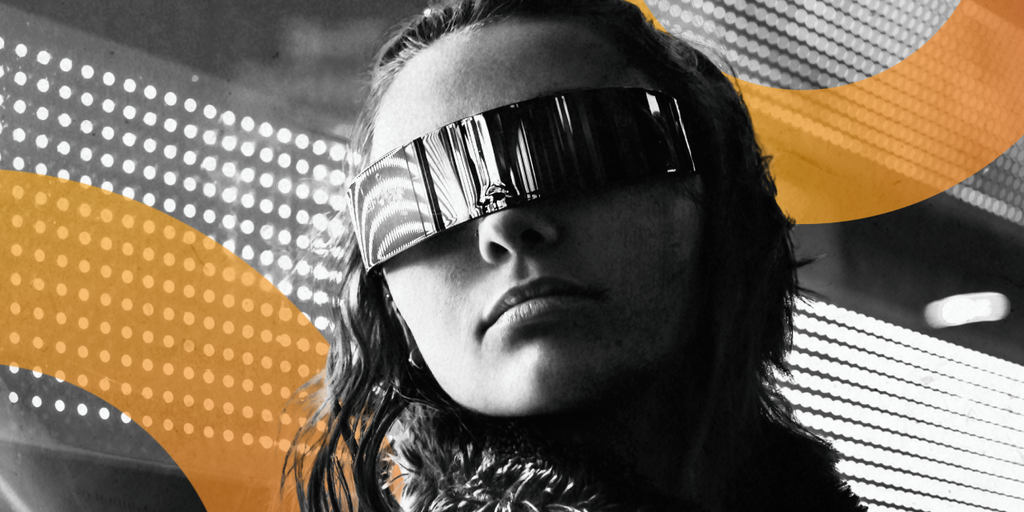
Cyberpunk, a genre that blends advanced technology with dystopian societies, has been a source of fascination for decades. Many of its predictions about the future—such as artificial intelligence, virtual reality, and even brain-computer interfaces—are now becoming reality. While these innovations seem straight out of a sci-fi novel, the genre’s most poignant insights extend beyond mere gadgets.
Why this matters
The impact of cyberpunk extends into societal norms and cultural expectations. As technology becomes more integrated into daily life, the genre's representations of corporate power, surveillance, and social inequality are increasingly relevant. This reflection on current events prompts us to question how technology shapes our lives and the societal structures around it. The reality of these dystopian elements makes us reconsider the implications of our own technological advancements.
Context
The cyberpunk genre emerged in the early 1980s, with works like William Gibson's "Neuromancer" and Ridley Scott's "Blade Runner". These stories portrayed futures where technology was omnipresent, but often at the expense of personal freedoms and social justice. The genre served not only as entertainment but also as a critique of contemporary issues, making it a mirror reflecting the anxieties of its time.
What this means
As we witness the rise of technology that cyberpunk authors envisioned, it becomes essential to evaluate how closely our reality aligns with these fictional narratives. The genre's warnings about unchecked corporate influence and loss of individual privacy resonate more than ever. Recognizing these parallels can inform our approach to technological development, ensuring that innovation serves the public good rather than exacerbating existing inequalities. Ultimately, cyberpunk's legacy is not just about predicting technology, but about understanding the human experience in an increasingly digital world.