What Happened
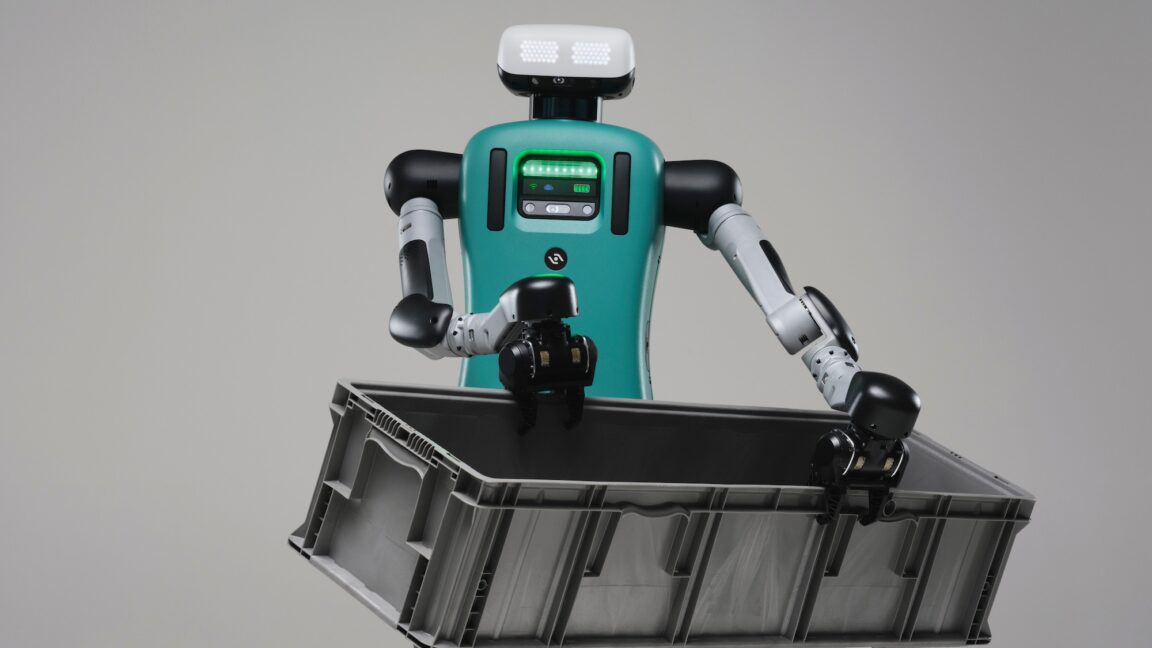
Recent advancements in artificial intelligence are paving the way for autonomous robots to take on various roles in workplaces and potentially at home. With companies like Boston Dynamics leading the charge, the vision of general-purpose robots capable of performing multiple tasks is becoming a reality. This shift towards robot autonomy is driven by significant investments and a growing number of startups focusing on this technology.
Why It Matters
The implications of autonomous robots are vast. For businesses, these robots could improve efficiency, reduce labor costs, and perform tasks that are dangerous or undesirable for humans. In households, robots could assist with chores, caregiving, and more, fundamentally changing how we live. As these technologies develop, they raise questions about job displacement, safety, and the ethical use of robotics in society.
Context
Historically, the field of robotics has made significant strides since its inception. Early robotics projects focused on simple tasks, such as navigation. However, the landscape has evolved dramatically. Today, researchers and engineers are exploring complex autonomy, enabling robots to understand and interact with their environments more effectively than ever before. The journey from basic movement to sophisticated task management illustrates the rapid progress in AI and robotics.
What It Means
The trajectory of autonomous robots suggests a future where they become integral to both professional and personal realms. As AI continues to advance, the functionality of these robots will expand, allowing them to tackle an even broader array of challenges. However, this evolution may also necessitate new regulations and frameworks to address the implications of widespread robot integration into daily life. The conversation around the benefits and challenges of such a future is just beginning, and its outcome will significantly shape our interaction with technology.