What Happened
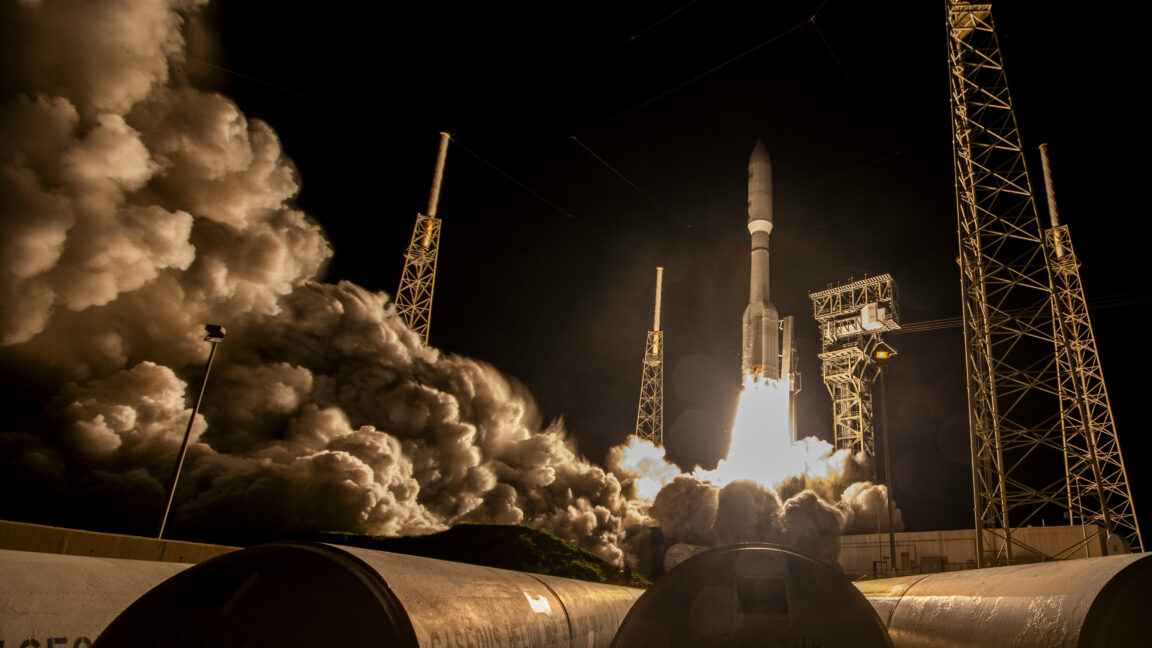
Last week marked a significant milestone for United Launch Alliance (ULA) as it completed a crucial launch using its Atlas V rocket. This mission was dedicated to Amazon's Leo broadband constellation, successfully deploying 29 satellites into orbit. The launch took place from Cape Canaveral Space Force Station in Florida, showcasing the Atlas V's capabilities as it prepares to retire from service.
Why It Matters
The Atlas V rocket has played a pivotal role in the U.S. space industry for several years, dominating the market by launching various payloads, including national security satellites and scientific missions. As ULA approaches the end of the Atlas V program, the focus will shift to its upcoming Vulcan Centaur rocket. This transition may influence the competitive landscape of space launches, particularly as ULA seeks to maintain its position against emerging players.
Context
The Atlas V has been a reliable workhorse for ULA since its debut in 2002. With over 80 successful launches, it has established a reputation for reliability and versatility. However, as the space industry evolves, ULA has recognized the need to innovate and adapt. The introduction of the Vulcan Centaur is part of this strategy, designed to enhance launch capabilities and reduce costs.
What It Means
As the Atlas V retires, ULA's remaining launches will be focused on Boeing’s Starliner spacecraft, which is intended to transport astronauts to the International Space Station. The limited future of Atlas V highlights ULA's commitment to supporting NASA's missions, but it also raises questions about the future availability of launch options for other customers. The shift could potentially reshape partnerships in the aerospace sector, making it crucial for companies to explore new avenues for collaboration and innovation.