What Happened
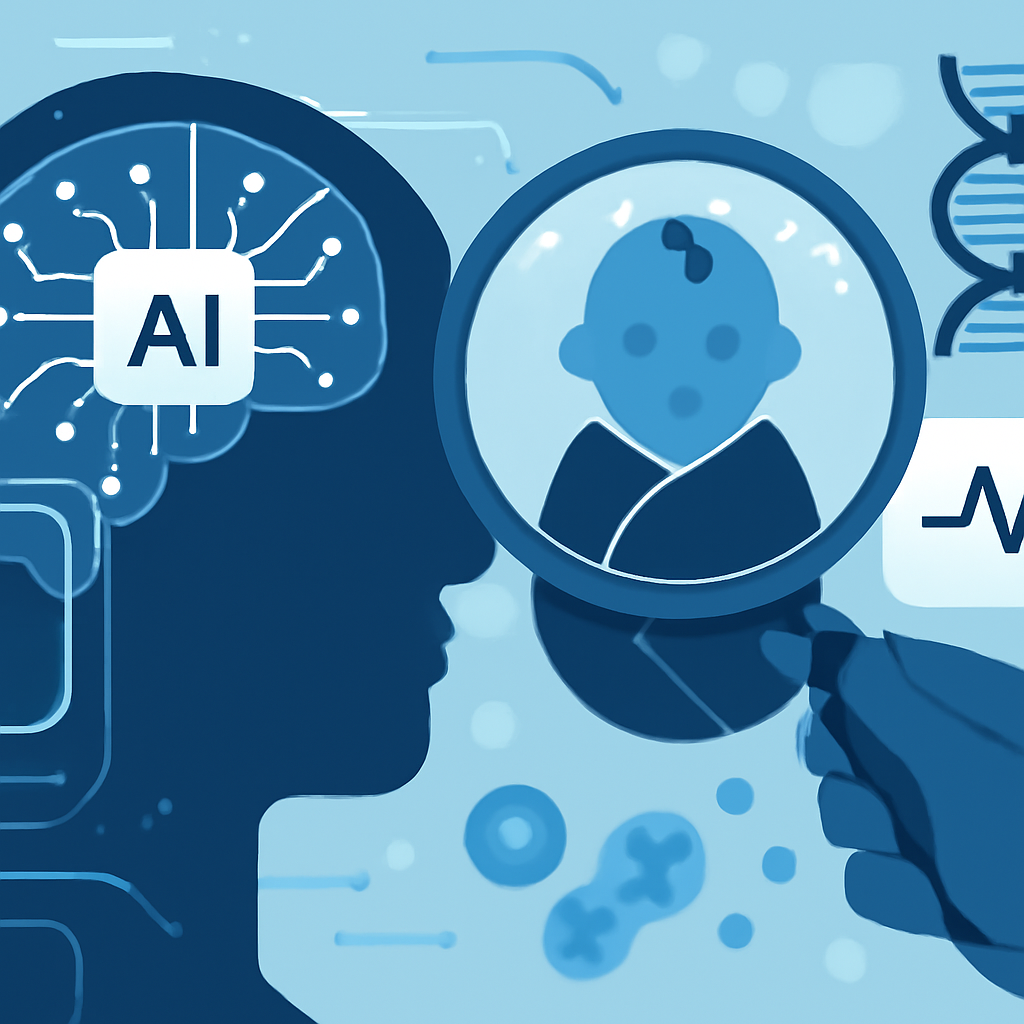
Researchers from Boston Children's Hospital, Harvard University, and OpenAI conducted a unique study, reviewing 376 cases of rare genetic diseases in children. Using the o3 Deep Research model, they uncovered new diagnostic clues that led to the identification of 18 previously unclear diagnoses.
Why It Matters
These 18 diagnoses account for 4.8% of all analyzed cases, marking a significant advancement in the field of medicine. Many of these rare diseases have long gone unanswered, and successful identification can lead to earlier treatment and improved quality of life for affected children and their families.
Context
At the beginning of the study, the o3 Deep Research model was considered one of the most advanced in its field. Although it is now regarded as outdated, the use of AI in medicine continues to expand. Developing such technologies can significantly accelerate the diagnostic process, which is particularly crucial in complex and convoluted cases.
What It Means
The results of this study open new horizons for the use of artificial intelligence in diagnosing rare diseases. It also highlights how technology can work in tandem with traditional medicine, helping doctors make more informed decisions. Such findings may lay the groundwork for future research and improvements in treatment methods for rare genetic diseases.