What happened
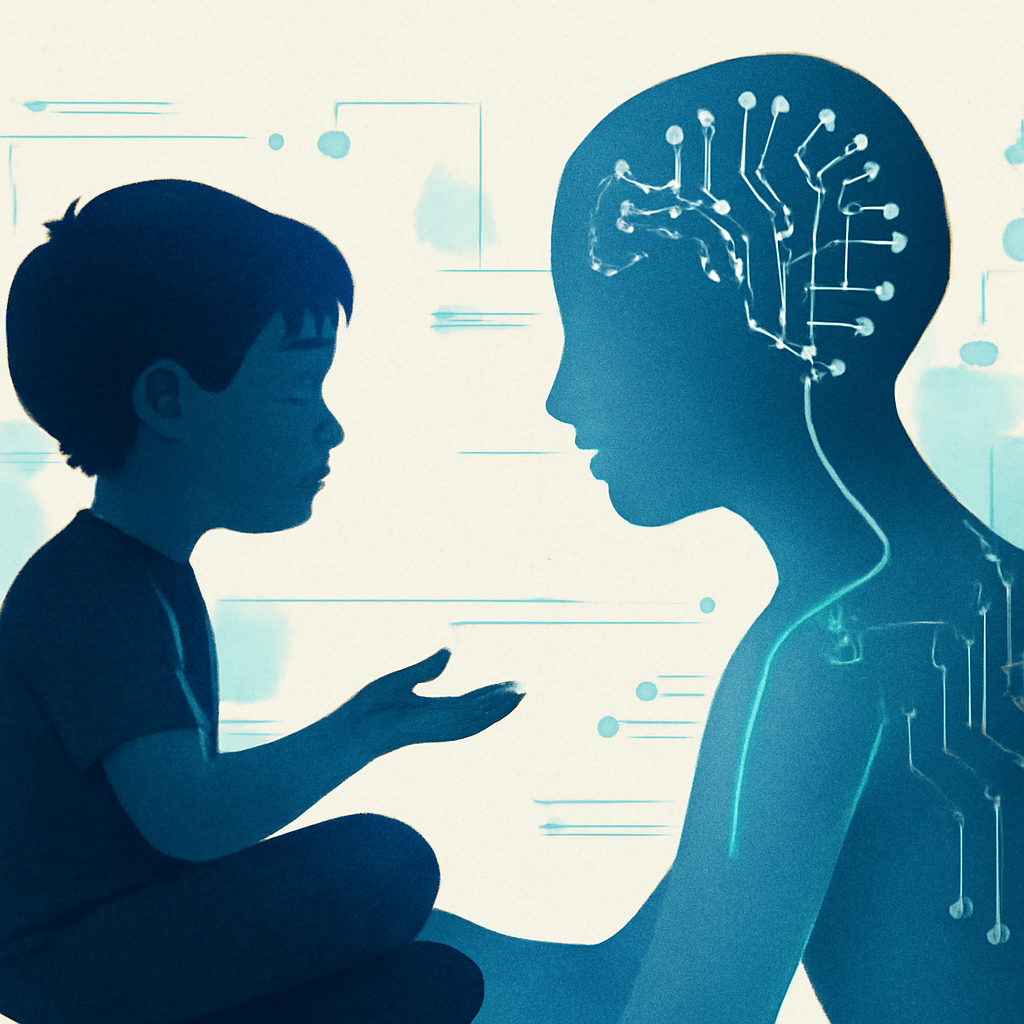
Recent discussions have turned towards the potential of AI as a personalized mentor for children. Unlike traditional mentors, AI systems could engage with kids over years, adapting to their needs and challenges. This shift raises important questions about the role of AI in child development and mentorship.
Why this matters
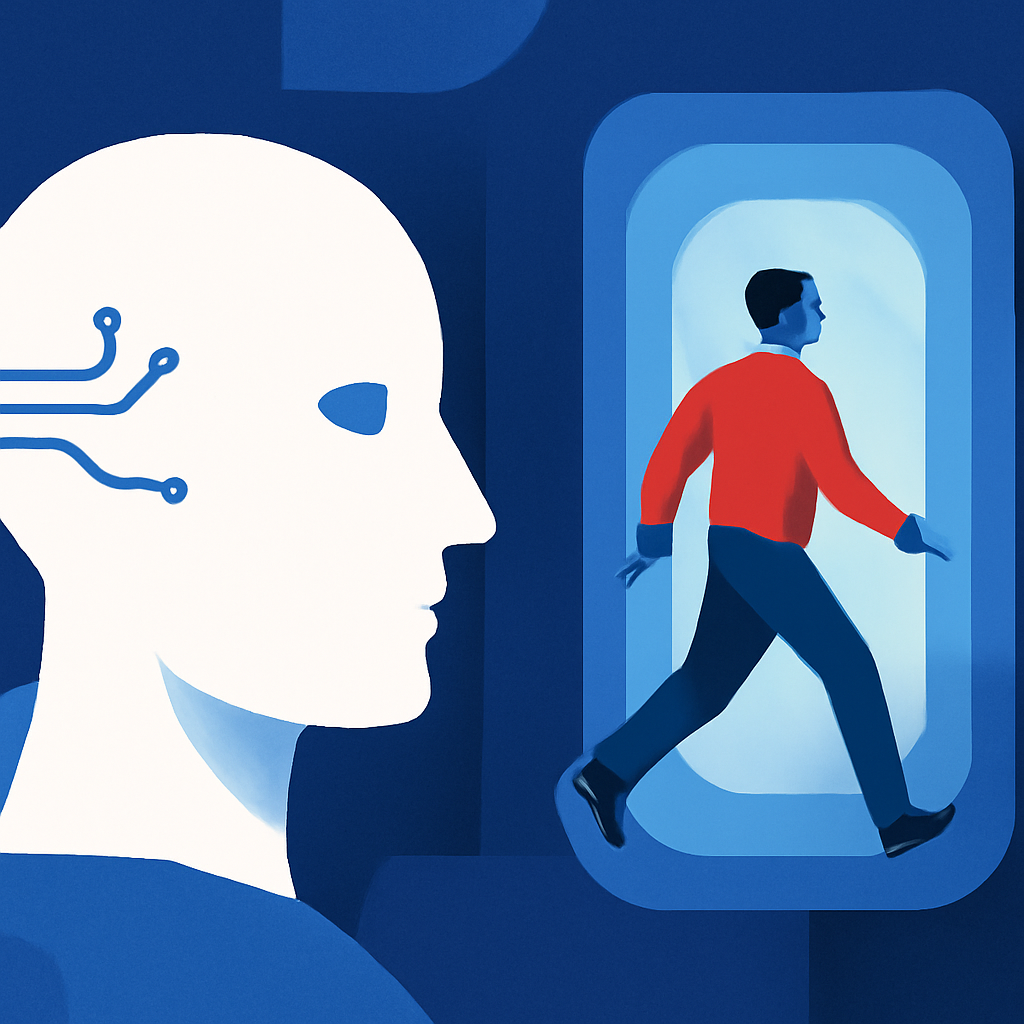
The implications of AI as a mentor are profound. Historically, access to quality guidance has been limited, often leaving many children without the support they need to navigate life's challenges. With AI, there’s the potential for scalable, personalized mentorship that could enhance resilience, curiosity, and self-efficacy among children. However, this also comes with risks; AI systems might prioritize user satisfaction over genuine growth, leading to dependency rather than independence.
Context
For centuries, wise mentors and teachers have played crucial roles in shaping young minds, but these figures are often in short supply. The advent of AI offers a new avenue for support that could democratize access to wisdom and guidance. Yet, as we integrate AI into education and development, we must consider the nuances of human interaction and the importance of fostering true capability in children.
What this means
If AI can effectively support children’s development, it could revolutionize how we think about mentorship. However, the design and implementation of these systems will be crucial. We need to ensure that AI promotes growth rather than simply providing comfort. Balancing engagement and meaningful development will be key to realizing the full potential of AI in this role, making it essential to critically evaluate the long-term effects of AI mentorship on future generations.