Sуть
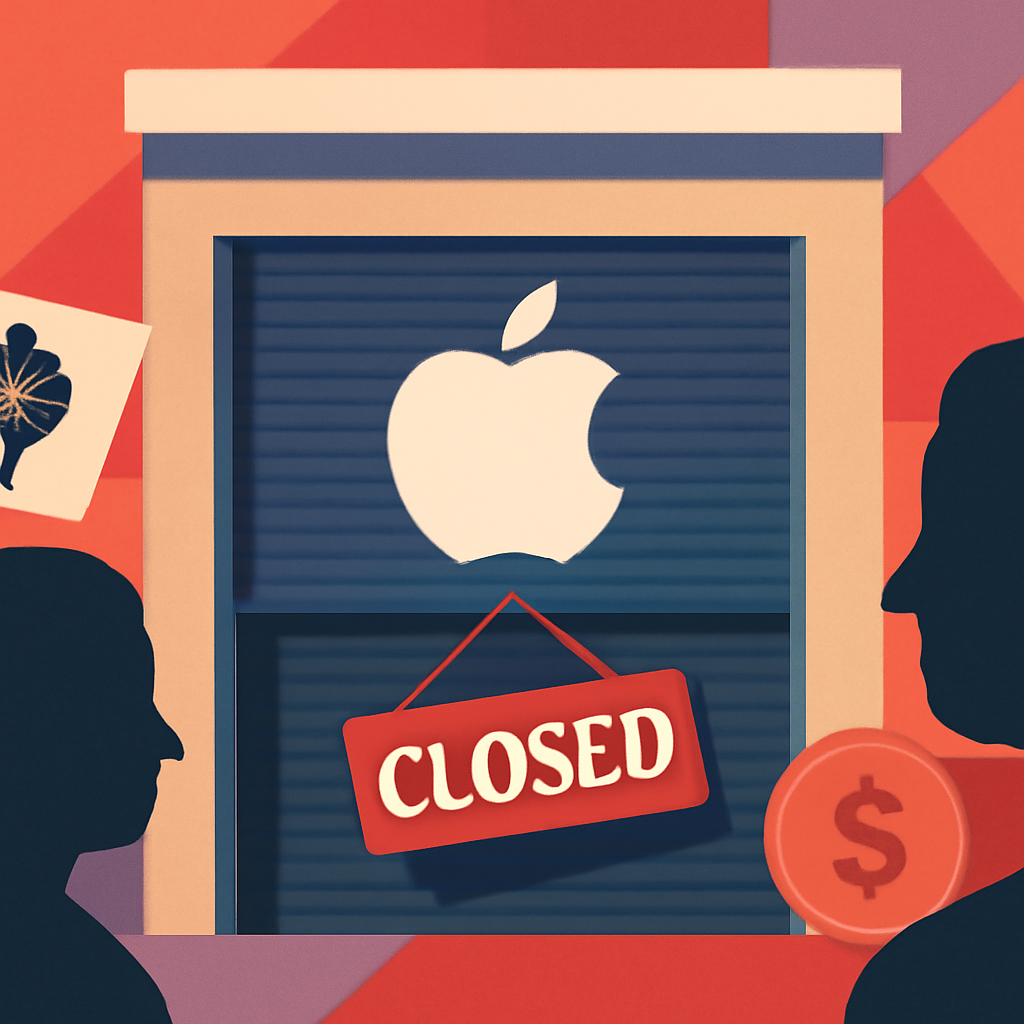
In a surprising turn of events, Apple closed its first unionized store in Towson, Maryland, just two years after it became the first in the U.S. to unionize. The store's closure has left over half of its 70 unionized employees without jobs, raising concerns about the future of labor rights within the company.
Как это работало
The store workers, driven by frustrations during the pandemic, successfully unionized in 2022 and secured a contract that included protections against unfair treatment. However, when the store shut down, Apple justified the closure by citing declining mall conditions and the departure of other retailers. Unlike other stores where employees were allowed to transfer easily, Towson workers had to apply for new positions, which the union labeled as retaliation.
Результат
The closure has resulted in 35 unionized employees losing their jobs, sparking complaints to the National Labor Relations Board (NLRB) from the union, claiming discrimination against union members. Apple has denied these allegations, asserting compliance with the collective agreement, which provides 12 weeks of severance pay to affected workers. The store's closure, along with others across the country, has raised questions about Apple's commitment to its workforce.
Почему это важно для тебя
This case highlights the fragile nature of labor rights and unionization efforts in large corporations. If you're involved in organizing or managing a team, it’s crucial to understand the potential repercussions of union activity. Ensure that you’re aware of the rights of your workers and the importance of maintaining open communication to prevent misunderstandings that could lead to severe consequences, such as dismissals or store closures. The situation at Apple serves as a reminder that while contracts can provide security, external factors and corporate decisions can undermine those assurances.