What happened
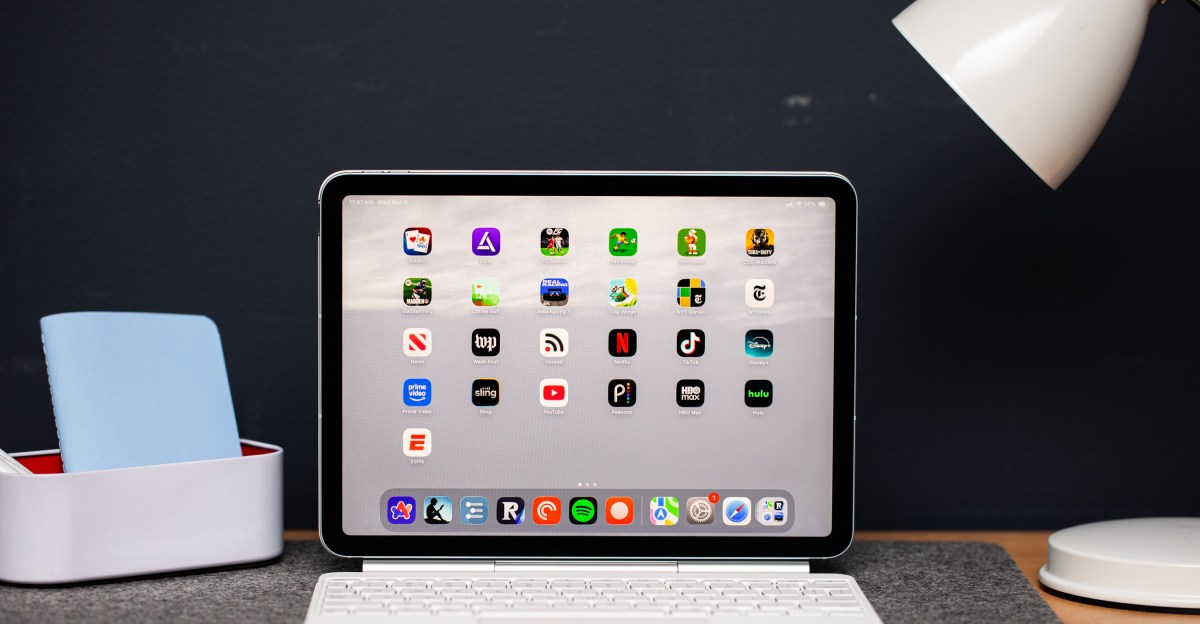
Apple has announced price increases on a variety of its hardware products, including iPads, Macs, and smart speakers. The price hikes come after Tim Cook suggested in a recent interview that such changes were on the horizon. This move aligns Apple with other major tech companies, which have also raised prices recently.
Why this is important
The price increases are significant for consumers, particularly in a market already grappling with rising costs. By raising prices, Apple aims to offset the increasing expenses associated with memory and storage components, driven primarily by heightened demand from AI companies. This could affect consumer spending, as higher prices might lead some to reconsider their purchases or seek alternatives.
Context
Historically, Apple has been known for its premium pricing strategy, often positioning its products as high-end options in the market. However, this latest adjustment comes at a time when inflation and supply chain challenges are impacting many sectors. Companies like Nintendo, Sony, and Microsoft have already implemented similar price hikes, indicating a broader trend across the tech industry.
What this means
The increase in prices may signal a shift in how consumers perceive value in Apple's products. As the competition heats up and more brands enter the market with affordable options, Apple must balance maintaining its premium image while justifying higher costs. For consumers, it may mean reassessing their budgets or waiting for sales events to make purchases. Overall, this trend suggests that consumers might need to brace for continued price adjustments in the tech sector as companies respond to market pressures.