What Happened
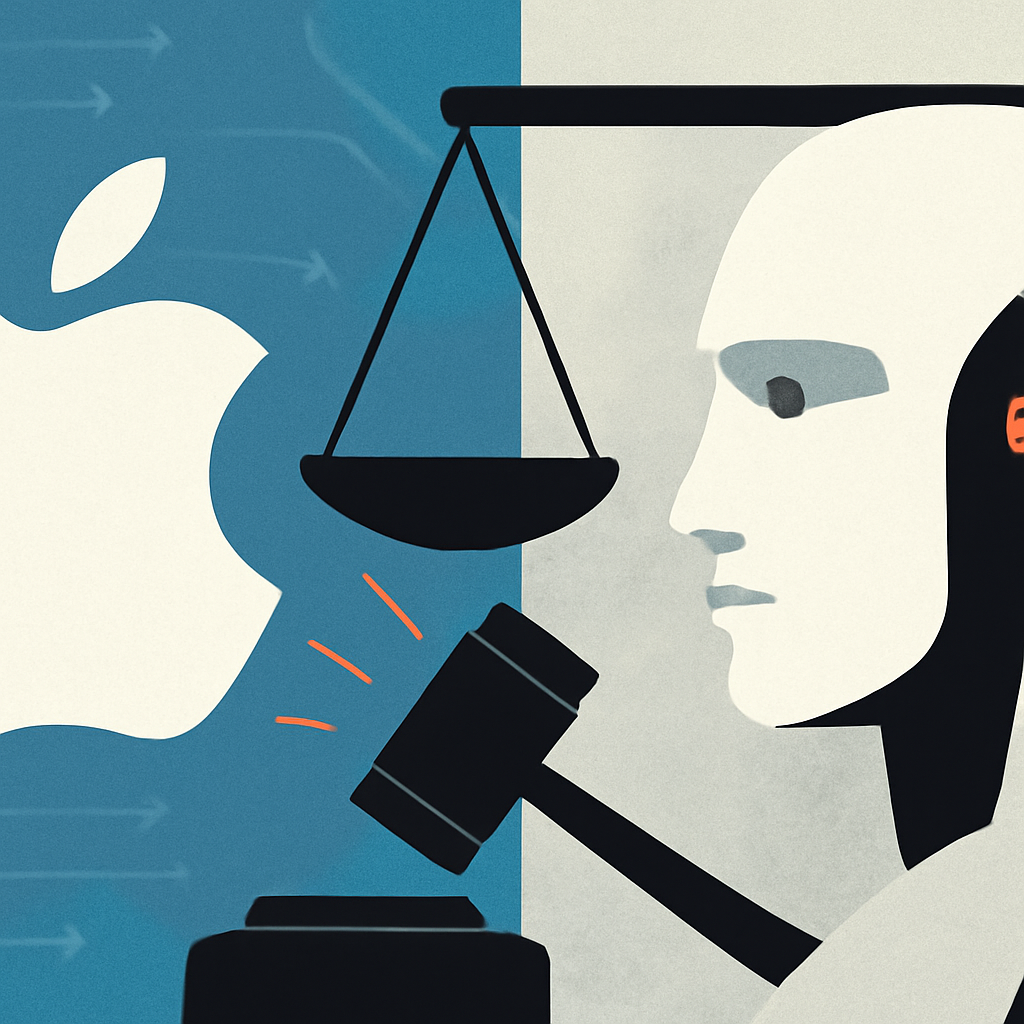
Apple has filed a lawsuit against OpenAI, alleging serious breaches of intellectual property and security protocols. The case centers around Tang Tan, OpenAI's hardware chief and a former Apple VP, who is accused of coaching Apple employees during their transition to OpenAI. Apple claims he encouraged them to bring actual hardware components to interviews for 'show and tell' sessions, violating company protocols.
Additionally, Apple asserts that Tan shared sensitive offboarding documents with new OpenAI hires, which were meant to help them exit Apple without triggering security alerts. Another former Apple engineer, Chang Liu, reportedly retained access to Apple’s cloud storage after joining OpenAI and downloaded numerous confidential files, including those marked 'confidential.'
Why It Matters
This lawsuit highlights significant concerns about employee movement between tech giants and the potential for intellectual property theft. With over 400 former Apple employees now at OpenAI, Apple suggests this situation could be just the beginning of broader issues within the industry. The outcome could set a precedent for how tech companies manage employee transitions and protect sensitive information.
The implications extend beyond the companies involved; they raise questions about the ethics of talent poaching and the responsibilities that come with it. If Apple’s claims hold, it could prompt stricter regulations and practices regarding employee exits and intellectual property safeguards across the tech landscape.
Context
The relationship between Apple and OpenAI was once collaborative, with ChatGPT integrated into Apple’s Siri just two years ago. This partnership has now soured dramatically, signaling a shift in the dynamic between these two influential companies. The lawsuit comes at a time when the competition in the tech industry is intensifying, particularly concerning AI and hardware.
As tech giants increasingly vie for dominance in AI, the stakes are higher than ever, making this lawsuit a focal point of interest for observers and stakeholders alike.
What It Means
This legal battle could have far-reaching effects on how technology companies interact and protect their proprietary information. If Apple can substantiate its claims, it may lead to tighter controls over employee transitions in the tech sector, and possibly even influence hiring practices across the industry.
Moreover, the fallout from this case could reshape existing partnerships and alliances, prompting other companies to reevaluate their relationships with former employees. As the hardware wars heat up, the implications of this lawsuit could redefine the competitive landscape in tech for years to come.