What Happened
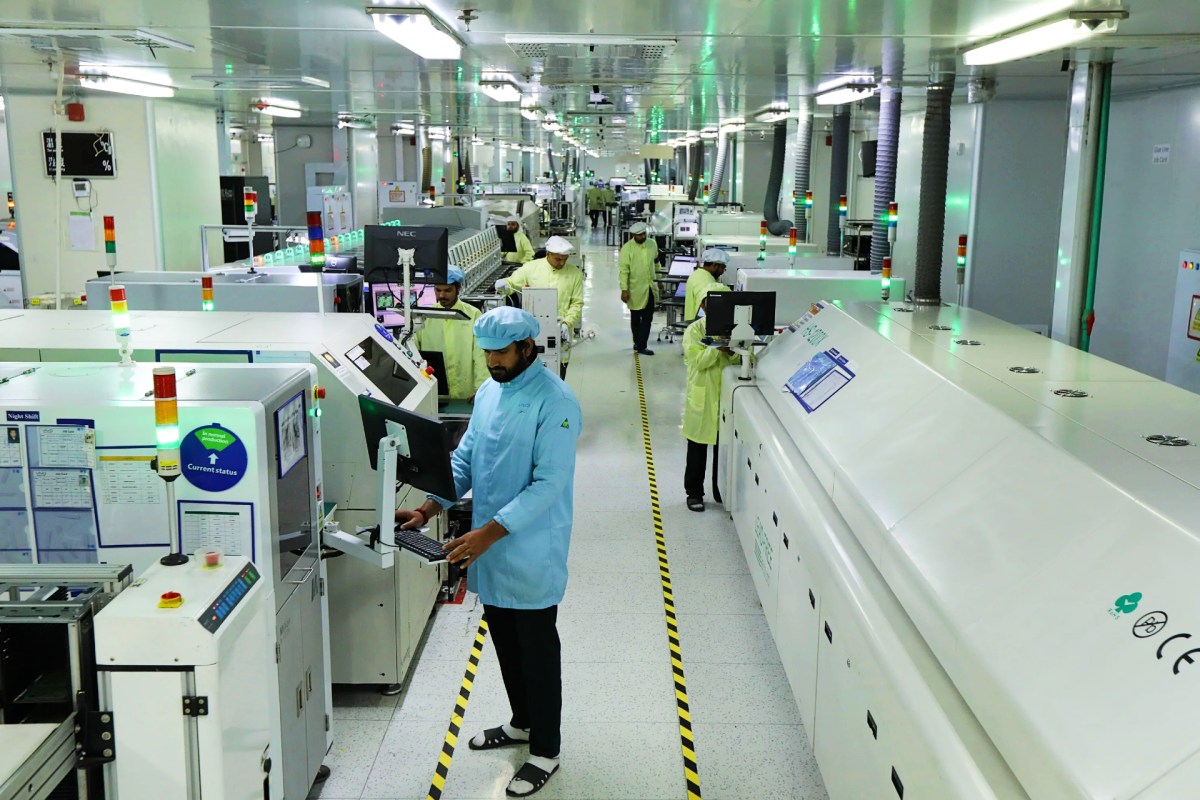
Apple has made a significant move by entering into a multiyear agreement worth over $30 billion with Broadcom. This deal will see the production of more than 15 billion custom wireless connectivity chips in the United States. The partnership aims to enhance Apple's hardware capabilities while supporting domestic manufacturing.
Why It Matters
This collaboration is expected to have substantial implications for the tech industry and the U.S. economy. By producing chips domestically, Apple is not only bolstering its supply chain resilience but also creating jobs in the semiconductor sector. This move aligns with a broader trend of companies seeking to reduce reliance on overseas manufacturing, particularly amid ongoing global supply chain challenges.
Context
Historically, tech giants like Apple have sourced chips from various international manufacturers, often leading to vulnerabilities in supply chains. The pandemic highlighted these weaknesses, prompting a push for more localized production. This new deal with Broadcom signifies a shift towards strengthening domestic capabilities in the semiconductor industry, which is critical for powering a wide range of devices from smartphones to smart home products.
What It Means
The implications of this deal reach beyond just Apple and Broadcom. As more companies consider similar strategies, we could see a revitalization of the U.S. semiconductor industry. This partnership not only underscores Apple’s commitment to innovation but also highlights a crucial investment in American manufacturing. In the long run, such developments may lead to advancements in wireless technology and greater stability in the tech supply chain.