What Happened
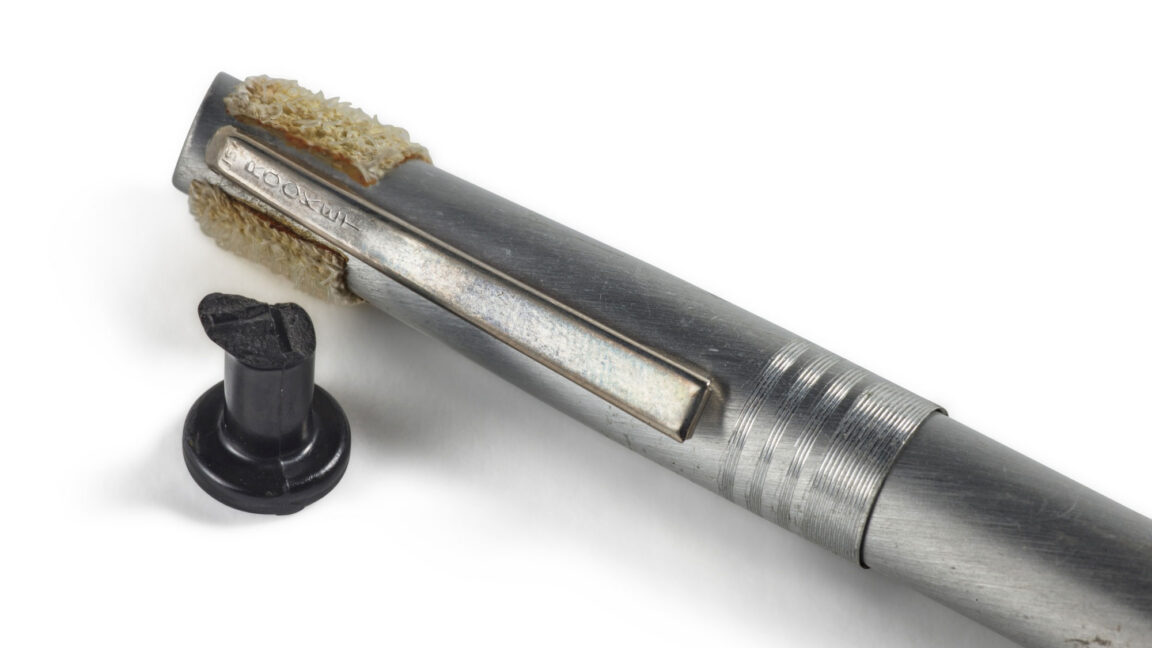
A seemingly ordinary felt-tip marker and a piece of plastic sold for an astonishing $857,600 at a recent Sotheby's auction. These items were part of the historic Apollo 11 mission, which marked humanity's first successful trip to the Moon. The significance of the marker goes beyond its physical appearance; it played a crucial role in averting a potential disaster for astronauts Neil Armstrong and Buzz Aldrin during their lunar adventure.
Why It Matters
The sale highlights the immense value associated with artifacts from pivotal moments in history, particularly in space exploration. Items connected to the Apollo missions not only serve as tangible links to the past but also offer insights into the challenges faced by astronauts. The high auction price reflects a growing interest among collectors and enthusiasts in space memorabilia, suggesting that items once deemed trivial can gain monumental significance over time.
Context
During the Apollo 11 mission, Aldrin faced a critical situation when the circuit breaker switch for their ascent engine broke off, jeopardizing their return to Earth. In a moment of ingenuity, Aldrin used the felt-tip pen to push the broken piece back into place, allowing the ascent engine to ignite and ensuring their safe journey home. This incident underscores the resourcefulness required during one of humanity's most ambitious endeavors.
What It Means
The auction of these items serves as a reminder of the unpredictable nature of historical artifacts and their value. What might appear as mere trash can become priceless pieces of history, particularly when tied to significant events. The high bids reflect not only the items' physical connection to the Moon landing but also the narrative of human ingenuity and perseverance in the face of adversity. As interest in space exploration continues to grow, so too will the allure of artifacts from missions like Apollo 11.