What Happened
Anthropic has made serious allegations against Alibaba, claiming that the tech giant has set up tens of thousands of fake accounts to exploit its AI model, Claude. These accounts are said to be used for distillation attacks, a method where the model's knowledge is extracted unlawfully. In response to these accusations, Alibaba has instructed its unofficial employees to cease using Claude Code, indicating a growing tension between the two companies.
Why It Matters
This confrontation has broader implications for the AI industry. If companies resort to such tactics, it could lead to a chilling effect on innovation and collaboration. Moreover, as these allegations circulate, users are experiencing increased restrictions and caution from AI models like Claude, which may limit genuine interactions. The incident raises questions about the ethical boundaries in AI development and intellectual property protection.
Context
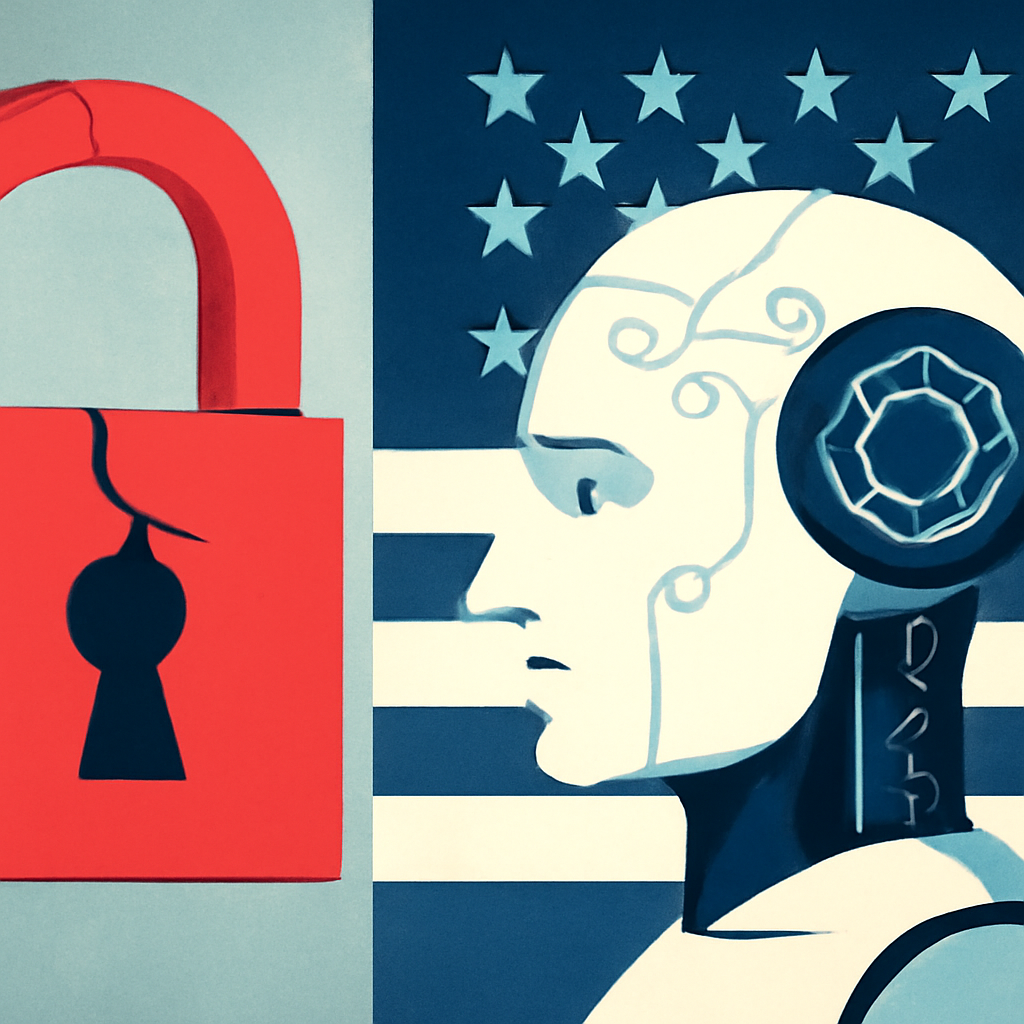
The conflict comes at a time when competition in the AI sector is intensifying. Distillation attacks are a known threat, where attackers aim to replicate a model's capabilities without permission. Recently, there have been efforts by companies to 'harden' their systems against these attacks, which can inadvertently affect legitimate users. For instance, Fable 5 has implemented measures that have resulted in some users being locked out for benign requests, suggesting that protective measures can sometimes do more harm than good.
What It Means
The escalating tensions between Anthropic and Alibaba could signal a new phase in the AI industry where companies may become more defensive and less cooperative. Users may find themselves caught in the crossfire, facing restrictions that could hinder their experience. This situation emphasizes the need for clear regulations and ethical guidelines in the rapidly evolving AI landscape, as the balance between protection and accessibility becomes increasingly delicate.