What happened
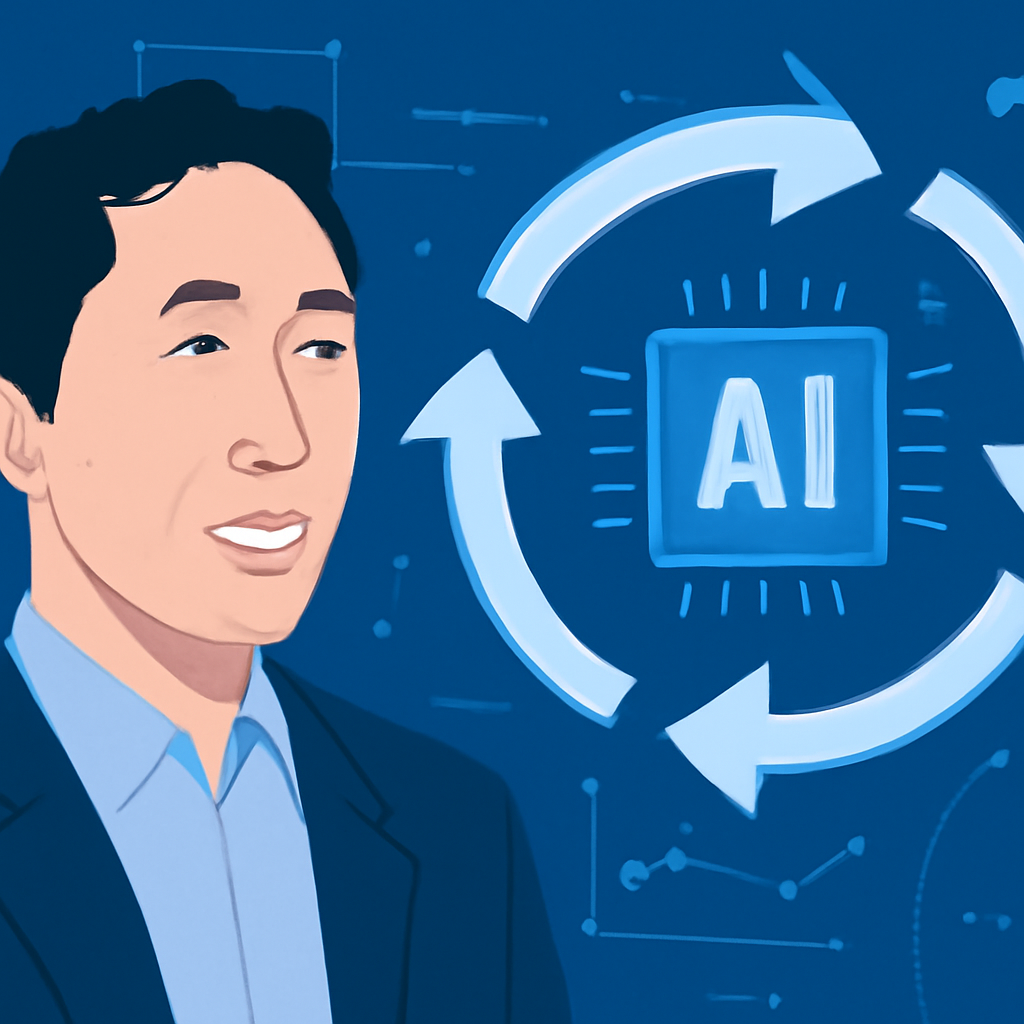
Andrew Ng, a prominent figure in AI, has made a bold statement about the future of artificial intelligence. He claims that in the next three to six months, everyone will be utilizing self-improving AI loops, which would allow systems to operate autonomously without the need for constant user prompts. Ng’s assertion highlights a significant transition in how we interact with AI, moving from manual input to more automated processes.
Why this matters
The implications of shifting to self-improving loops are vast. For users, this could mean a more efficient and seamless experience, as AI agents take over repetitive tasks and adapt to user needs without explicit instructions. However, this transition also comes with potential pitfalls. The cost of running such systems could escalate if they malfunction or get stuck, leading to inefficiencies that could outweigh the benefits of automation.
Context
Historically, AI has been reliant on user prompts to perform tasks. This has allowed users to maintain control over the AI's actions, but it has also limited the efficiency and scalability of AI applications. The idea of AI agents that can learn and adapt autonomously has been a long-term goal in the field, but practical implementation has been hindered by issues like data quality and resource management. Ng’s prediction points to a maturation of AI technologies that could finally realize this vision, but challenges remain.
What this means
The future of AI-driven workflows seems promising, with the potential for increased autonomy and efficiency. However, the practicality of this shift depends on addressing several key issues. Ensuring data quality is essential, as poorly structured data can lead to wasted time and resources. Additionally, the financial feasibility of running these systems must be considered, especially for smaller companies. If self-improving AI loops can be made reliable and cost-effective, we may indeed see a revolution in how we utilize AI in daily tasks over the next year.