What Happened
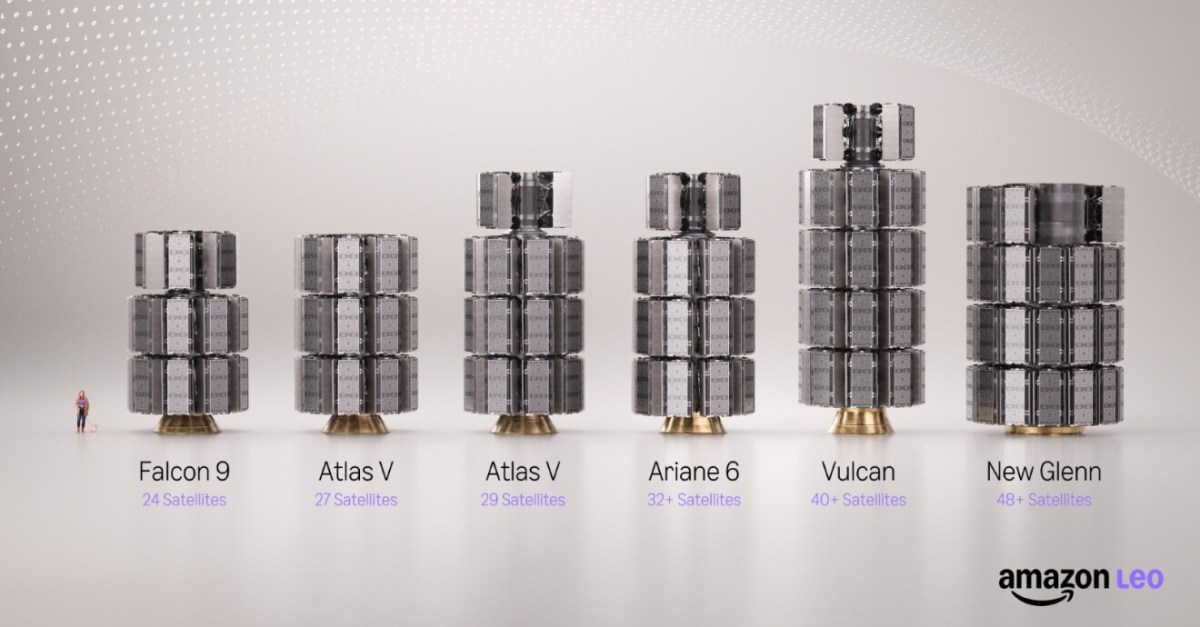
Amazon has announced that it now operates 396 satellites in low-Earth orbit, which it claims is sufficient to begin providing service for its satellite internet venture, Amazon Leo. This milestone was achieved with a recent launch, positioning the company to potentially offer commercial services by mid-2026.
Why It Matters
The entry of Amazon into the satellite internet market could significantly alter competition, especially against SpaceX's Starlink. With Amazon Leo now ready to support continuous service in select regions, users may soon have more options for high-speed internet, particularly in remote areas where traditional broadband is lacking. However, Amazon cautions that initial offerings may not be as robust as those from established providers like Starlink, which has been operational since 2020.
Context
SpaceX's Starlink has set a high bar with its extensive satellite network, having launched nearly 900 satellites before commencing service. Amazon's approach is now being closely watched as it attempts to enter this competitive space. The increasing number of companies exploring satellite internet signifies a growing recognition of the need for global connectivity.
What It Means
Amazon's progress in deploying its satellite network suggests a shift in how internet access may be delivered in the future. While the company aims for a mid-2026 launch, potential users should temper expectations for immediate high-speed access, especially considering the initial constraints of the network. As the market evolves, consumers are likely to benefit from increased competition, which may lead to better pricing and service options in the long run.