What happened
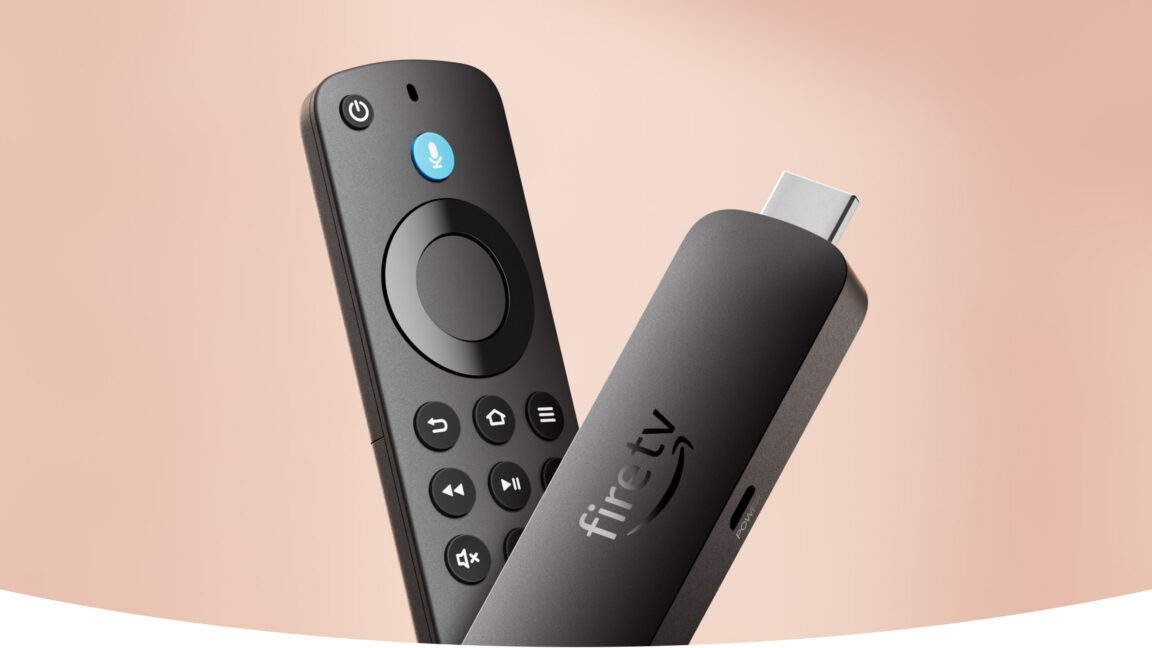
Amazon has decided to halt the release of new Fire Stick models that allow users to sideload apps from sources outside of its Appstore. This decision is attributed to the rising concerns over malware associated with these third-party applications. The latest Fire Stick models now run on Vega OS, Amazon's own operating system, which does not support sideloading, unlike its predecessors that operated on Fire OS, an Android variant.
Why this is important
This change could significantly affect how users interact with their Fire Sticks. Sideloading has been a popular method for tech-savvy users to install apps that are not available in the Amazon Appstore, enhancing the device's functionality. However, with the increase in piracy and malware threats linked to sideloading, Amazon's decision reflects a growing trend of prioritizing user security over app flexibility.
Context
Historically, Fire Sticks have been a favorite among streaming enthusiasts, particularly for their ability to access a wide range of applications. Many users sideloaded apps from the Google Play Store, which expanded their viewing options. However, sideloading has also been associated with illegal streaming, particularly of sporting events, leading to scrutiny from both Amazon and regulatory bodies. This shift to Vega OS marks a significant pivot in Amazon's approach to device security and user experience.
What this means
Moving forward, users of the new Fire Stick models may find themselves limited in terms of app availability and functionality. This could push some users towards other streaming devices that still support sideloading. While Amazon's intent to protect users from potential malware is commendable, it raises concerns about the balance between security and user autonomy. As the streaming landscape evolves, the implications of such restrictions will likely spark debates about digital rights and the future of app distribution.