What happened
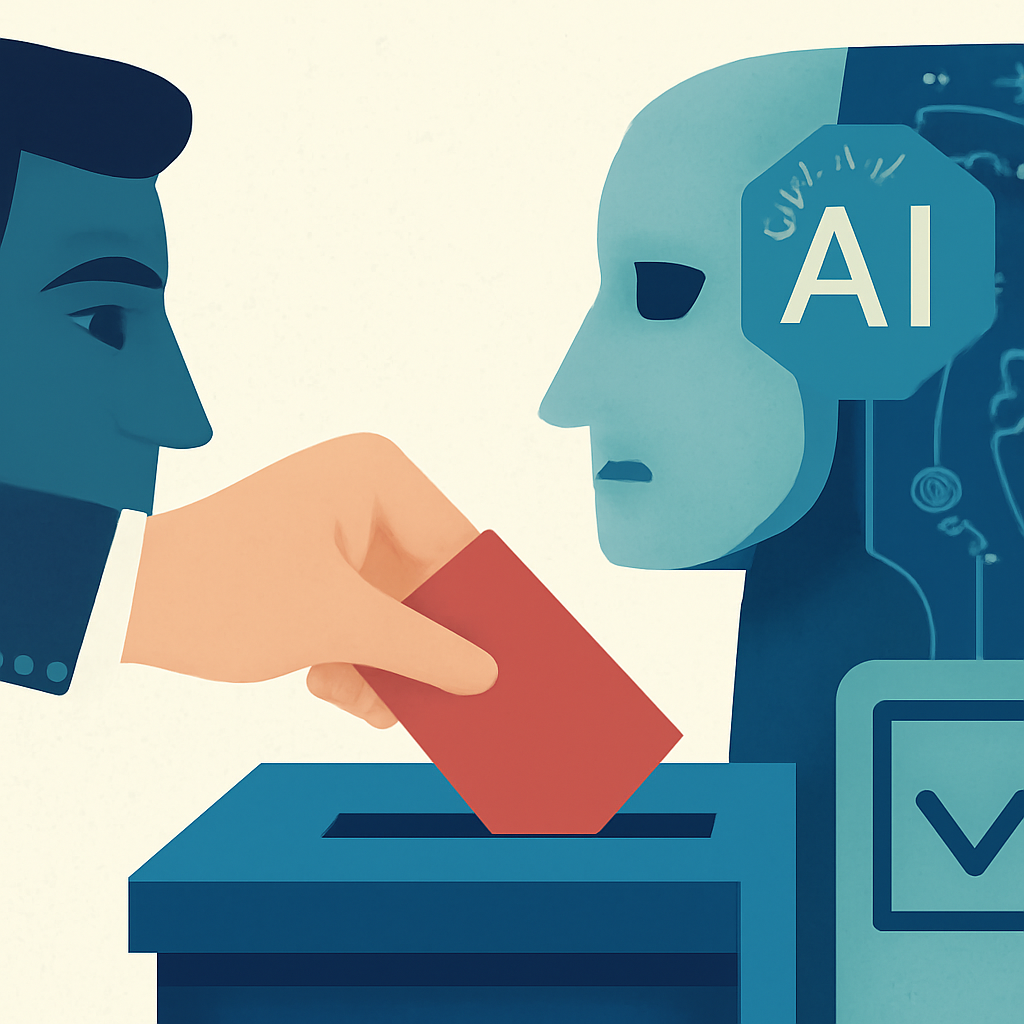
A recent national survey conducted in March found that a significant portion of Americans are hesitant about incorporating artificial intelligence into their voting decisions. Specifically, 63% of respondents expressed discomfort with the idea of using an AI chatbot to help choose candidates. Additionally, 80% voiced concerns that AI bots might be the ones answering political surveys, which are crucial for shaping policy and business strategies.
Why this matters
The findings highlight a crucial divide in public perception regarding AI's role in the political sphere. While many individuals are comfortable using AI for tasks like fact-checking or following political issues, the idea of AI influencing their voting decisions raises alarm. This suggests that the discomfort is less about the technology itself and more about the implications of AI involvement in the decision-making process.
Context
Historically, AI has been integrated into various sectors, enhancing efficiency and providing data-driven insights. However, its application in the political arena remains controversial. The skepticism surrounding AI in politics echoes broader societal concerns about transparency, accountability, and the integrity of democratic processes. As AI technology continues to evolve, understanding public sentiment becomes essential for its responsible integration into political systems.
What this means
The survey results indicate that a significant number of people draw a clear line when it comes to AI's involvement in their voting choices. This raises important questions about trust and transparency in AI applications. As we advance, ensuring that AI systems are designed to enhance, rather than dictate, political decision-making could be key to gaining public confidence. Engaging in open dialogues about these technologies might help bridge the gap between innovation and public trust, ultimately shaping the future of AI in politics.